
Best Time to Visit Milan
When to visit Milan for museums, shopping, food and day trips — shoulder seasons, events, weather, transport realities and sustainable tips to plan your 3-day trip.
Milan is best in spring and early autumn for comfortable weather, fewer crowds and easy day trips to Como and Bergamo. Use this page to pick dates that match your priorities and support local businesses.
Quick Answer
Milan is best in spring and early autumn for comfortable weather, fewer crowds and easy day trips to Como and Bergamo. Use this page to pick dates that match your priorities and support local businesses.
Who This Page Is For
This page is for travelers planning a stay in Milan who want clearer decisions about best time to visit, local logistics, timing, budgeting, and practical trip planning.
How This Page Was Prepared
This page was prepared through a structured editorial workflow that combines destination research, geographic context, and practical travel-planning review.
Plan the Rest of Your Trip
Use this page together with the full itinerary and the related planning pages below to make better booking, timing, transport, and budget decisions.
Best overall: mid-April to mid-June and mid-September to October — mild weather, fewer day-tripper crowds, and most local businesses open. Peak crowd months: late June–August (hot, busy) and during Fashion Week (late February and late September) when hotels and restaurants raise prices. Winter (late November–February) is good for lower prices, museums, and Christmas markets, but expect fog, damp cold, and some family-run restaurants closed in August (Ferragosto).
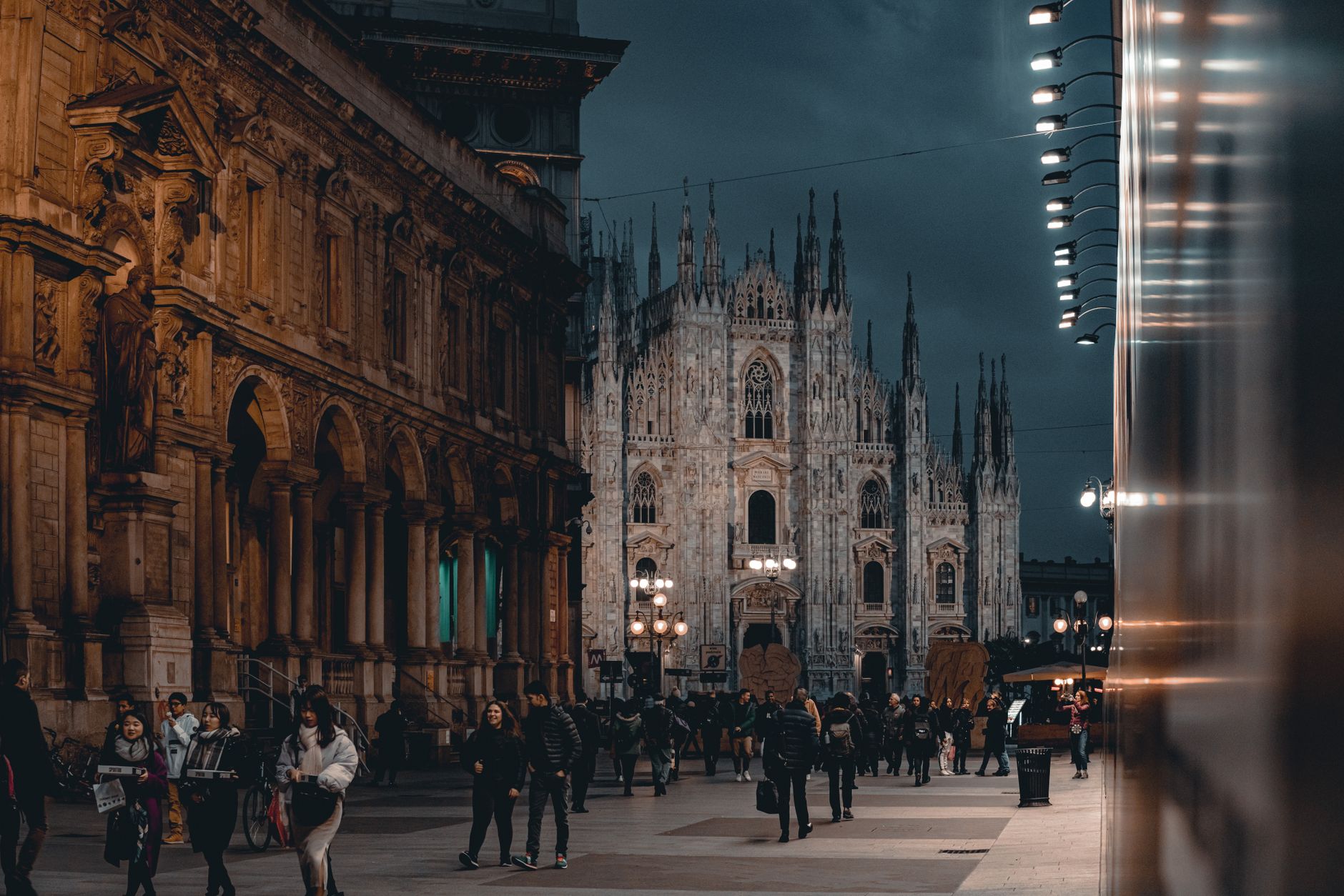
This page helps you decide the best time to visit Milan for what matters to you—museum crowds, outdoor cafés, fashion events, or day trips to Como, Bergamo, Brescia, Desenzano del Garda and Parma. It’s written to support the practical 3 days in Milan itinerary: pick dates that let you see the Duomo rooftop, stroll Brera and take a short train ride to a nearby town without fighting peak crowds. The guidance favors lower-impact choices, local spending, and easier travel logistics.
What This Page Helps You Decide
Use this page to choose dates based on: your tolerance for heat or drizzle, whether you must attend a specific event, and if you want to combine Milan with day trips to nearby cities. It covers: – Weather patterns and common fog in the Po Valley during winter. – Crowd levels at major attractions and during Fashion Week. – Transport realities: where flights arrive (Malpensa, Linate, Bergamo Orio al Serio) and the best train connections for Como, Bergamo, Brescia, Desenzano del Garda and Parma. – Practical booking advice for hotels, La Scala, Duomo rooftop, and museum timed-entry tickets.

Top Recommendations
Plan by interest:
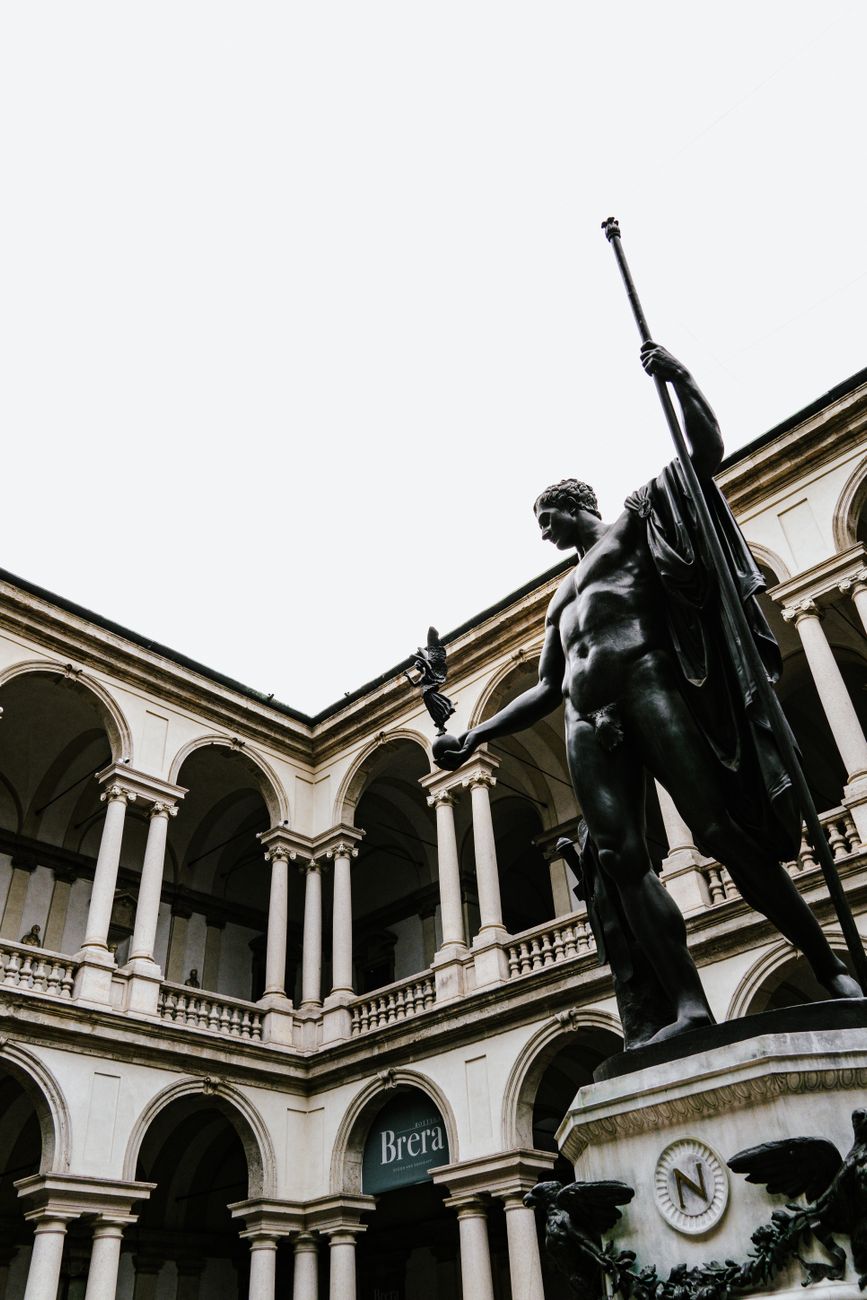
- Museums & walking: April–June or September–October for comfortable walking and open terraces. Book Accademia Brera and Duomo rooftop timed tickets ahead, and plan slower museum mornings to support local cafés in the afternoon.
- Fashion & design: late February and late September for Fashion Week buzz; expect higher prices and crowded restaurants—reserve weeks in advance or pick quieter neighborhoods like Isola or Porta Romana for lodging.
- Lake and mountains day trips: late May–June or September for calm waters and good ferry schedules to Como; avoid mid-August if you want quieter lakeside towns.
- Lower-cost travel: November–early December and January–February (excluding Fashion Week and Christmas), when hotels and flights are cheaper. Some smaller restaurants and shops may close in August, so check ahead.
Bookings and timing:
– Reserve La Scala and popular guided tours 4–8 weeks in busy seasons.
– Trains to Como and Bergamo are frequent; for weekend travel reserve seats on long-distance trains and arrive at stations early to use regional services sustainably.
Local Context
Neighborhoods and rhythm:
– Centro Storico (Duomo, Galleria) is busiest and best for a first visit; Brera is compact and arty; Navigli is lively at aperitivo time; Isola and Porta Nuova offer newer restaurants and design shops.
– Many small family-run venues take August holidays around Ferragosto (mid-August). Expect reduced hours in late afternoon at some traditional places, though central cafes and restaurants stay open longer.
Climate and transport realities:
– Milan sits in the Po Valley: winters are often damp and foggy; summers can be humid and hot with occasional heatwaves. Pack layers for spring and autumn.
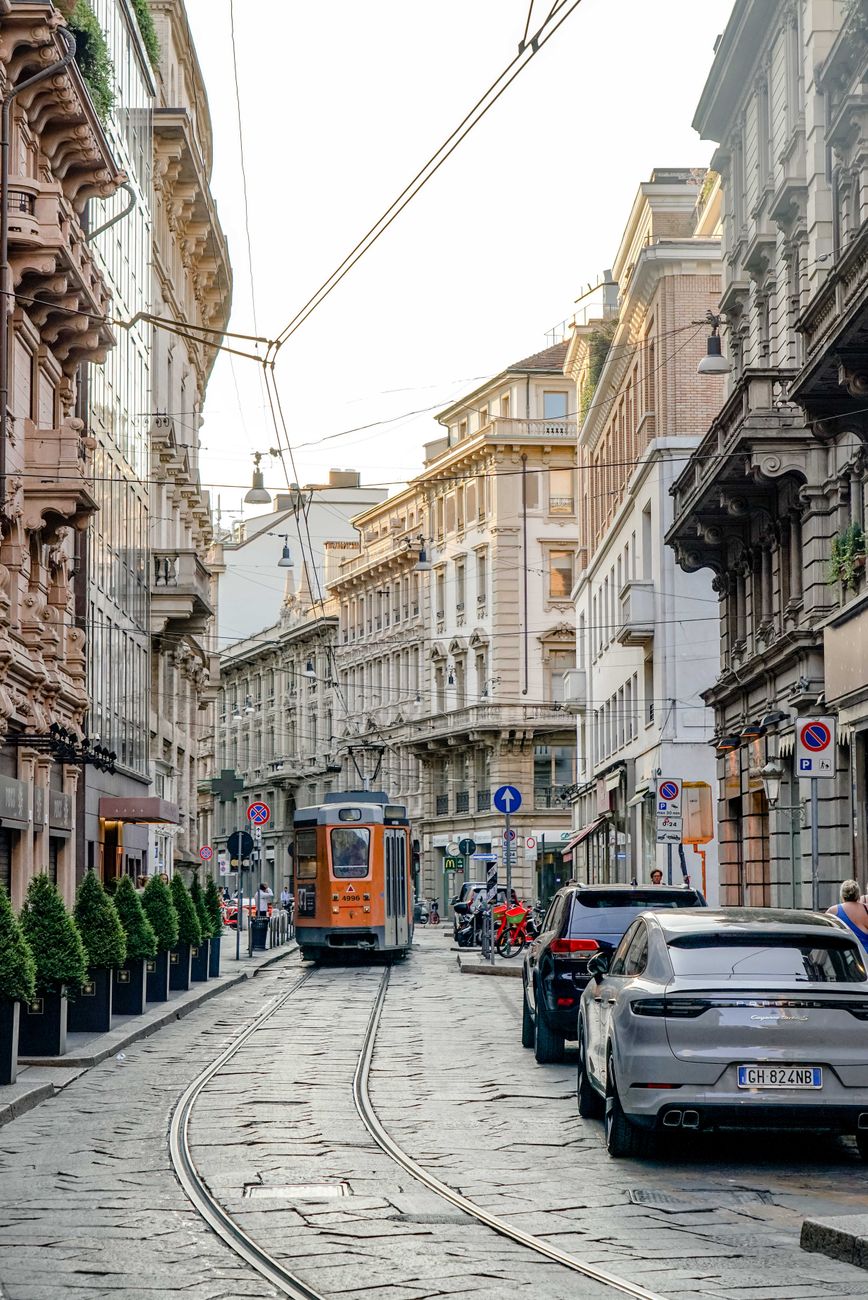
– Public transport is reliable: trams, metro and regional trains link to day trips. Malpensa and Linate serve different flight patterns; Bergamo Orio al Serio is popular for low-cost airlines—factor transfer time.
Etiquette and norms:
– Dress smart-casual in nicer restaurants and theatres; modest dress in churches (cover shoulders). Tipping is appreciated but not mandatory—check the bill for servizio incluso (service included).
How to Choose Well
Decide using three quick filters:
1) Weather tolerance: choose spring/autumn for comfort, winter for museums and lower prices, summer for outdoor events but heat and crowds.
2) Crowds vs. events: avoid Fashion Week if you don’t have tickets or want lower prices; pick shoulder months if you plan the 3 days in Milan itinerary plus a day trip to Como or Bergamo.
3) Local-first priorities: favor stays in smaller guesthouses or family-run hotels in Brera, Porta Romana or Isola to keep tourism money local and reduce environmental impact.
Practical booking tips:
– Reserve guided entries (Duomo rooftop, Last Supper if you plan a longer trip) in advance.
– Choose hotels with good tram/metro access or near Milano Centrale/Porta Garibaldi for easier train day trips to Como and Parma.
Responsible and Local-First Tips
Sustainable choices that benefit local communities:
- Use regional trains for day trips to Como, Bergamo and Parma instead of private coach tours. Trains are frequent, faster, and support regional economies.
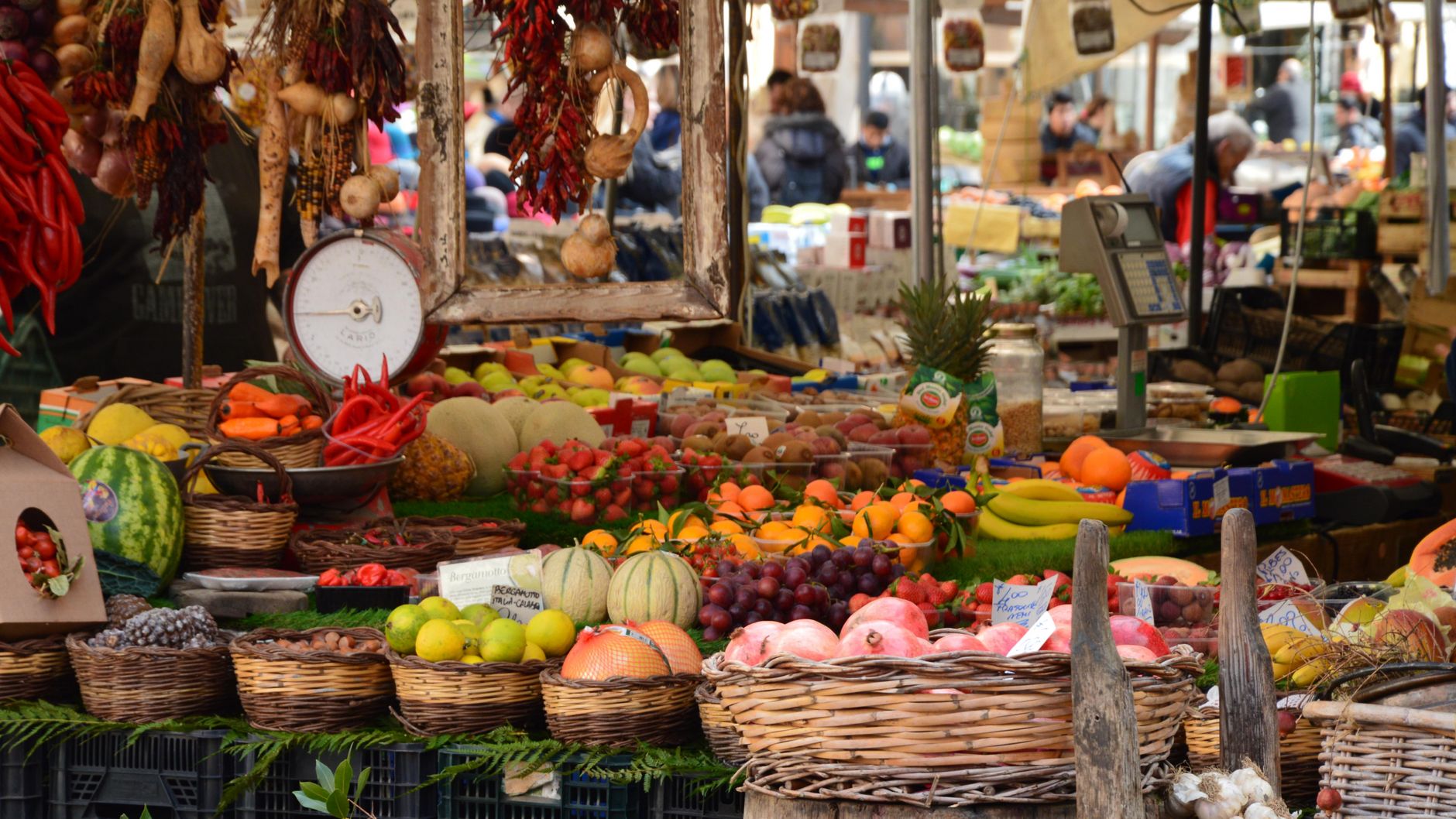
- Eat where locals eat: neighborhood trattorie in Brera, Ticinese and Porta Romana serve seasonal produce. Visit Mercato Centrale or smaller weekly markets for local suppliers.
- Shop small: buy from independent artisans and food producers rather than international chains; a thoughtful purchase in a family workshop keeps money in the city.
- Low-impact mobility: walk, take trams, or use shared bikes/scooters for short hops—Milan’s central districts are compact and walkable.
- Respect places of worship and quiet residential areas in the evening; keep noise low in Navigli and small streets after 11pm.
Booking and waste tips:
– Choose accommodation with linen reuse and recycling policies. Carry a reusable bottle—there are public drinking fountains in the city.
Common Mistakes to Avoid
Avoid these frequent errors:
- Picking Fashion Week dates without booking months ahead—hotels and restaurant availability shrink fast.
- Traveling in mid-August expecting every restaurant to be open—many small places close for Ferragosto.
- Underestimating winter fog and dampness; bring layers and a compact umbrella.
- Assuming you need a car for day trips—trains to Como, Bergamo, Brescia and Parma are faster, more sustainable, and drop you in town centers.
- Waiting to buy timed-entry tickets for the Duomo rooftop or major exhibitions—book these online to avoid long queues.
FAQ
What is the single best month to visit Milan?
Late May or mid-September balance pleasant weather, moderate crowds, and full cultural programming—ideal for following a 3 days in Milan plan and adding a day trip to Como or Bergamo.
Is it worth visiting Milan in winter?
Yes—winter is quieter and cheaper, with good museum access and festive Christmas markets in December. Expect cold, damp days and more local closures in late August rather than winter.
Can I do day trips to Como, Bergamo or Parma in one day?
Yes. Como and Bergamo are frequent short train rides (30–60 minutes). Parma and Brescia are longer but still feasible by train—start early and check regional timetables.
How should I get from the airports to the city center?
Malpensa Express serves Cadorna or Centrale; a shuttle or taxi works from Linate; Bergamo Orio al Serio has a regular bus to Centrale. Allow extra time during rush hour.
Are there any etiquette rules I should know?
Dress smart-casual for restaurants and theatre, cover shoulders in churches, and avoid loud behavior late at night. Tipping is modest; check for servizio incluso.
When do shops and restaurants close for holidays?
Many small businesses close for a week in August around Ferragosto (mid-August). Otherwise, central shops are open year-round, with shorter hours on Sundays.
Is Milan expensive compared with other Italian cities?
Milan tends to be pricier for hotels during Fashion Week and high season, but costs for food and transport are comparable to other large Italian cities. Use neighborhood trattorie and markets to keep costs local.
How can I travel responsibly while visiting Milan?
Favor trains for day trips, eat at local markets and family-run restaurants, book small, locally owned accommodations, and walk or use trams within the city.
Conclusion
Choose shoulder seasons for the best balance of weather, space and local life—April–June and September–October. If you need a quieter, budget-friendly trip pick late autumn or winter, keeping in mind fog and shorter daylight. Whatever dates you pick, book key attractions and train tickets in advance, favor local businesses, and consider day trips to Como, Bergamo, Brescia, Desenzano del Garda or Parma by train. For a practical next step, use those dates in the companion 3 days in Milan itinerary to lock in museums, restaurants and one well-timed day trip.
How this guide was prepared
This guide was prepared through a structured research that combines destination research, geographic context, itinerary planning logic, and content review.