
Getting Around Los Angeles
Practical, honest guide to getting around Los Angeles: fares, transit lines, TAP card, LAX transfers, cycling and walkability for planning your trip.
How to move efficiently in Los Angeles: Metro rail and buses, TAP card fares, FlyAway and rideshare options, plus walk and bike advice for key neighbourhoods.
Getting around Los Angeles?
Use the Metro TAP card and Metro Rail where it helps — single fare $1.75 and a 1-Day pass is $7. FlyAway bus from LAX to Union Station is $9.75 one-way; expect UberX from LAX to Downtown around $50–70 depending on traffic.
Who This Page Is For
This page is for independent travellers who want realistic, low-cost ways to move between LAX, Downtown, Hollywood, Santa Monica and Long Beach. It is less relevant for people renting a car for long highway drives or those staying only in one neighbourhood.
Key Takeaways for Los Angeles
- Metro single-ride fare $1.75 (USD) — about €1.60; buy or load value on a TAP card (card fee $2).
- Metro 1-Day Pass costs $7 (USD) — about €6.40 and allows unlimited Metro rides for 24 hours.
- FlyAway bus from LAX to Union Station is $9.75 one-way (USD) — about €8.90; departs from LAX terminals and avoids traffic delays sometimes.
- Typical UberX/taxi from LAX to Downtown LA runs about $50–75 (USD) depending on time and traffic; LAX to Santa Monica about $35–55 (USD).
How This Page Was Prepared
This page was prepared through a structured editorial workflow that combines destination research, geographic context, and practical travel-planning review.
Plan the Rest of Your Trip
Use this page together with the full itinerary and the related planning pages below to make better booking, timing, transport, and budget decisions.
For most visitors on a budget, buy a TAP card (initial $2 fee) and use Metro Rail and buses for main corridors. Metro single-ride fare is $1.75 (USD) and the Metro 1-Day Pass is $7 (USD) for unlimited rides during 24 hours; both load on TAP or the TAP app. Use FlyAway from LAX to Union Station for $9.75 one-way when avoiding rideshare surge pricing; FlyAway often takes 30–60 minutes depending on traffic.
If travelling to beach areas like Santa Monica or Venice, plan for at least one bus or an E Line trip plus a short ride; an UberX from LAX to Santa Monica commonly costs $35–55 (USD). Allow extra time when crossing the Valley or moving along the I-405 corridor during afternoon peak hours.
This page answers one clear question: how to get around Los Angeles efficiently without wasting time or money. Many visitors underestimate the scale of LA and overestimate how much the Metro rail system will cover. Expect gaps between train stations and attractions; last-mile connections are often a bus, scooter, bike, taxi, or short rideshare. Traffic on I-5, I-10 and I-405 is a real scheduling factor — travel times vary widely by hour and direction.
Arriving at LAX or Union Station often determines the best route for the day. Choices include Metro Rail lines (A, B, D, E, K, L), regional commuter rail (Metrolink), Amtrak Pacific Surfliner, and the FlyAway bus from LAX to Union Station. This guide gives the practical fares, apps, and trade-offs needed to pick the right combination of public transit, cycling and rideshare for specific neighbourhoods like Downtown, Hollywood, Santa Monica and Long Beach.
What This Page Helps You Decide
Decide whether to rely on public transit or budget for rideshares and car hire for each day of a trip. This includes choosing between buying single fares ($1.75) or a $7 1-Day Pass, whether FlyAway from LAX fits the arrival time, and when Amtrak or Metrolink trains are better for day trips to Santa Ana, Anaheim or Long Beach.
Decide whether to start a day in Downtown (Union Station area), stay on the Westside (Santa Monica, Venice), or plan a Hollywood-focused day. That choice affects whether to prioritise the Red/B (B Line) and Purple/D (D Line), the E Line to Santa Monica, or a rental car. This page also helps pick last-mile options: Metro Bike Share or e-scooters on the boardwalk, taxi ranges, and practical walking choices for each neighbourhood.
Top Recommendations
Public transit essentials:
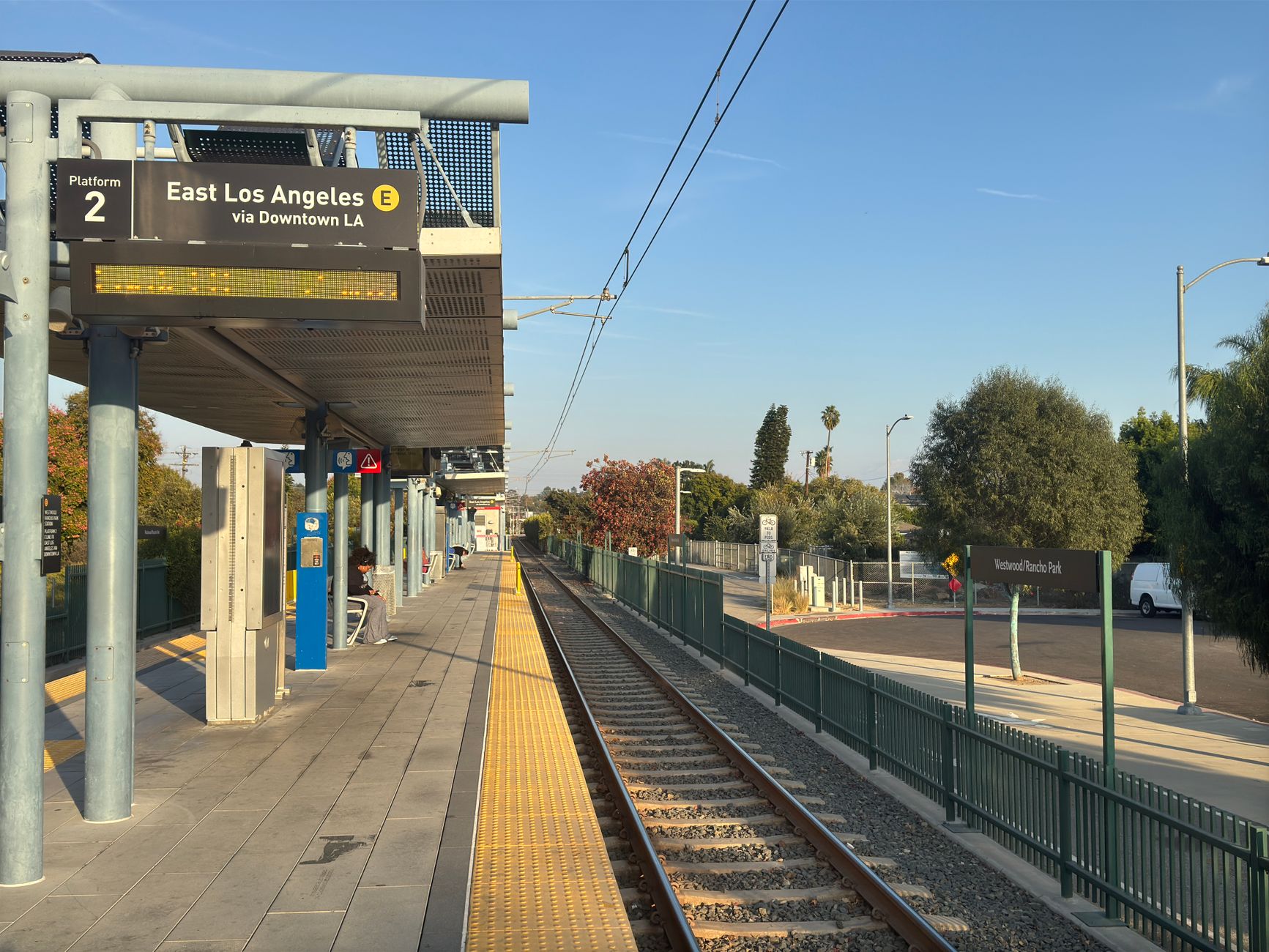
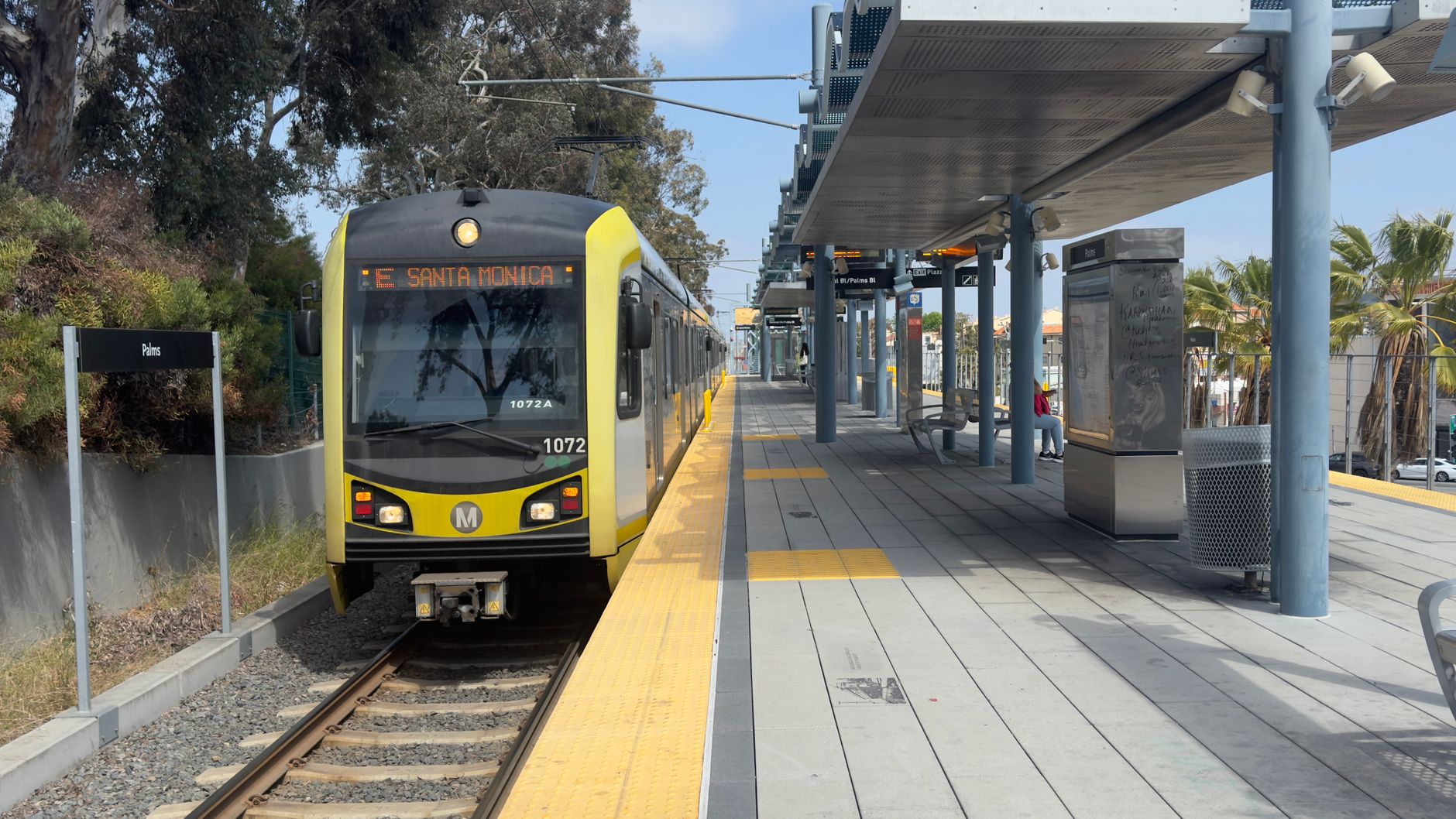
– Metro Rail lines to know: B Line (Red) — North Hollywood to Union Station via Hollywood/Red Line stations; D Line (Purple) — Wilshire/Western direction; A Line (Blue) — Downtown to Long Beach; E Line (Expo) — Downtown/7th Street to Santa Monica; L Line (Gold) — East LA/Atlantic; K Line — Crenshaw corridor with transfers toward LAX. Use Metro timetables for late-night gaps because frequencies drop after ~10 pm on many lines.
Fares and cards:
– TAP card: one-time physical card fee $2 (USD). Load value online, at machines, or via the TAP app. Single-ride Metro fare is $1.75 (USD ~€1.60). Metro 1-Day Pass is $7 (USD ~€6.40). 7-Day $25 and 30-Day $100 for frequent local travel.
Apps and planning:
– Official Los Angeles Metro app and TAP app for passes. Use Google Maps or Transit app for multimodal routing, including bus/rail combos and realtime arrivals.
Airport transfers and pricing:
– FlyAway bus (LAX ↔ Union Station): $9.75 one-way (USD ~€8.90). Buses depart from each LAX terminal; check terminal pickup maps.
– Rideshare/taxi estimates from LAX: UberX or Lyft to Downtown LA typically $50–75 (USD); taxi $60–80 depending on surcharge and traffic. LAX to Santa Monica: UberX $35–55, taxi $50–70.
Walkability and cycling:
– Walkable neighbourhoods: Downtown (Bunker Hill, Historic Core, Arts District), West Hollywood (near Santa Monica Blvd), and Santa Monica proper are the most walk-friendly for short trips. Many other areas require transit or rides.
– Bike options: Metro Bike Share docks in parts of Downtown and near some rail stations; dockless e-bikes and e-scooters from Lime, Bird and Lyft operate in Venice, Santa Monica and central LA. Major bike routes: Ballona Creek path to Marina del Rey, bike lanes on Wilshire Blvd, and Venice Boardwalk for short rides. Rent bikes in Santa Monica or Venice for beach segments.
Common transport mistake to avoid:
– Assuming Metro rail runs everywhere and at high frequency late at night. Many beach and hillside neighbourhoods lack rail stations, and buses can be slow in peak traffic. Combine rail with FlyAway, buses, bikes or rideshares instead.
Local Context
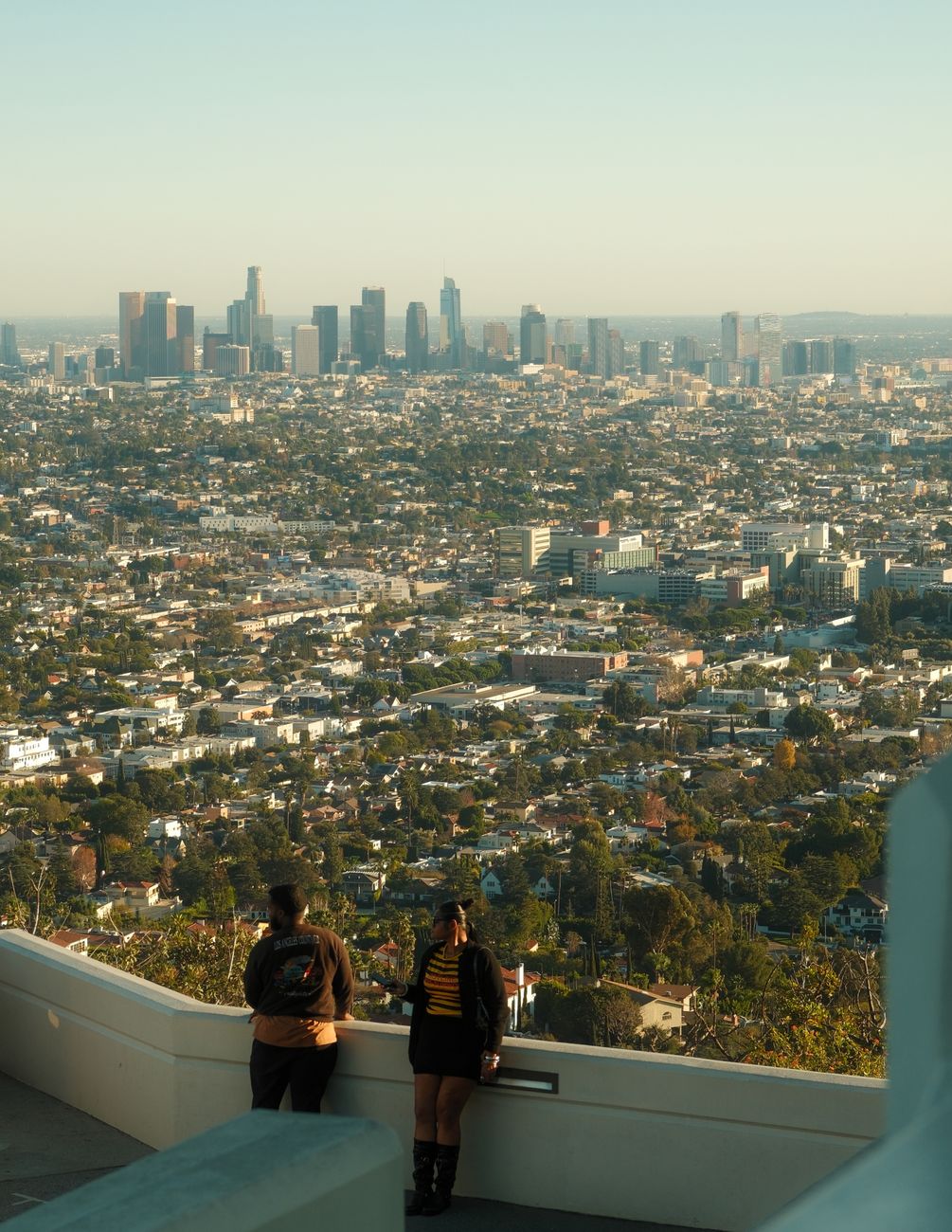
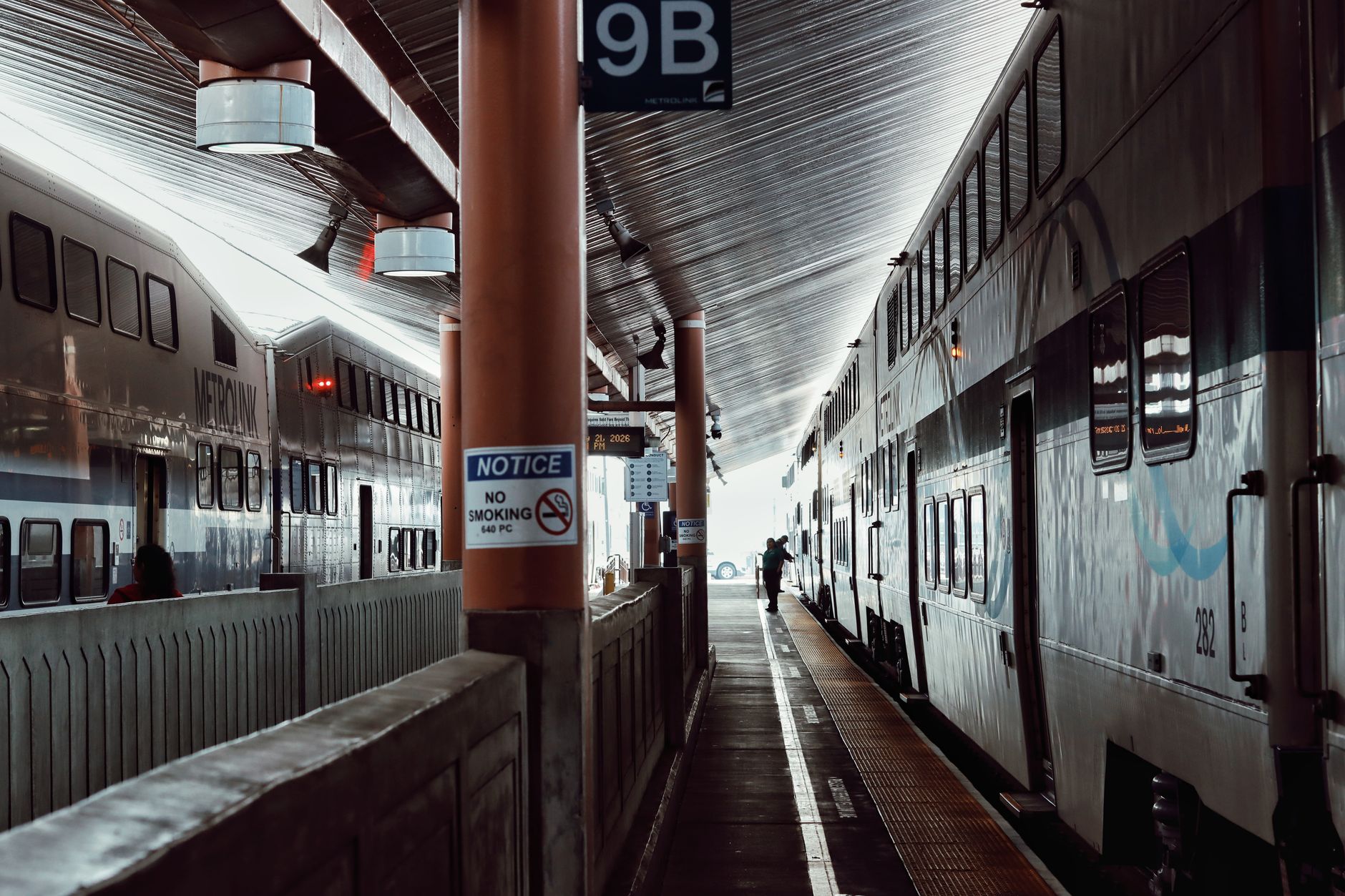
Los Angeles is spread out across basins, beaches, hills and valleys. That geography and heavy car use mean transit hubs are crucial: Union Station is the main rail hub connecting Metro, Amtrak Pacific Surfliner, and Metrolink commuter trains to Orange County and Riverside. LAX is far from Downtown in traffic terms; route choice matters more than distance.
Peak commuter traffic shapes schedules. Weekday morning inbound peaks (6:30–9:30 am) and evening outbound peaks (3:30–7:30 pm) on I-405, I-10 and US-101 can double travel times. Weekend events at Staples Center/L.A. Live, Dodger Stadium, and Hollywood Bowl cause local surges affecting buses and rideshares.
Neighbourhoods differ in walkability and transit access. Hollywood and Koreatown have dense Metro coverage by the B Line and multiple bus routes. Santa Monica and Venice rely on the E Line to 17th/Colorado and several bus lines; expect last-mile scooter or short rides. Long Beach and Anaheim are served by A Line and Metrolink/Amtrak respectively but require transfers for central attractions.
How to Choose Well
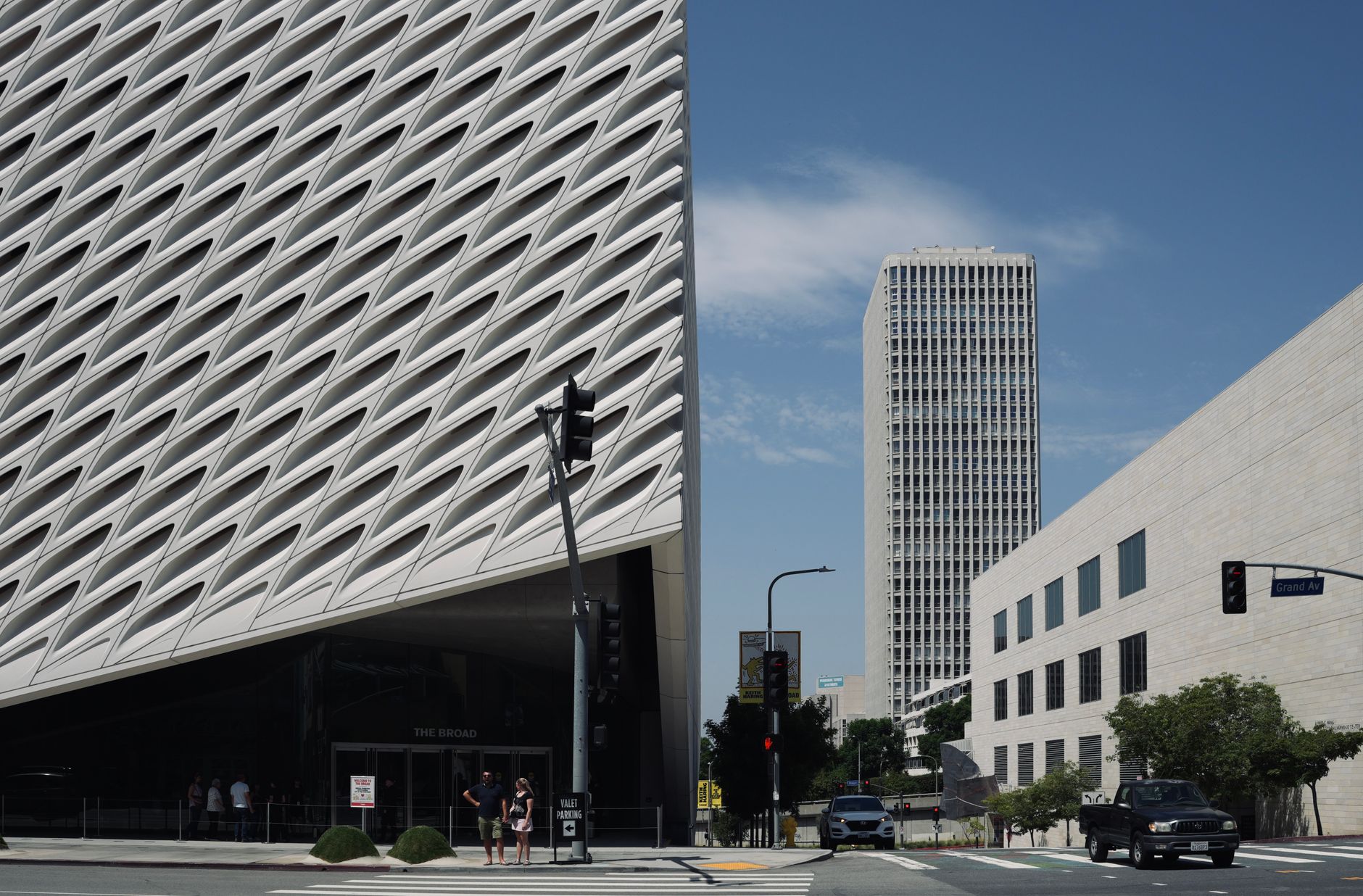
Match accommodation location to the main activities planned. If staying Downtown to visit The Broad, Walt Disney Concert Hall and nightspots, rely on Metro rail and buses and expect many short walks. For a beach-focused stay in Santa Monica, prioritise proximity to the E Line terminus and the 4th Street/Colorado area.
Balance cost and time: a $7 Metro 1-Day Pass pays off after four trips (at $1.75 each). For point-to-point trips from LAX with baggage, FlyAway at $9.75 is usually cheaper than a rideshare if the schedule matches arrival. For multiple passengers, rideshare can be cost-competitive once surge pricing is factored in.
Consider luggage and comfort: Metro trains and buses have limited space for large suitcases. Choose a rideshare or FlyAway when carrying big bags. For mornings with events, add 30–45 minutes buffer to account for local shuttle delays or event traffic.
Responsible and Local-First Tips
Prioritise public transit and bike share for short trips to lower emissions and support local systems. Load fares onto a TAP card rather than buying single paper tickets; that supports Metro fare revenue and reduces waste. Use the Metro app to see where bus service is busiest and avoid blocking sidewalks with scooters.
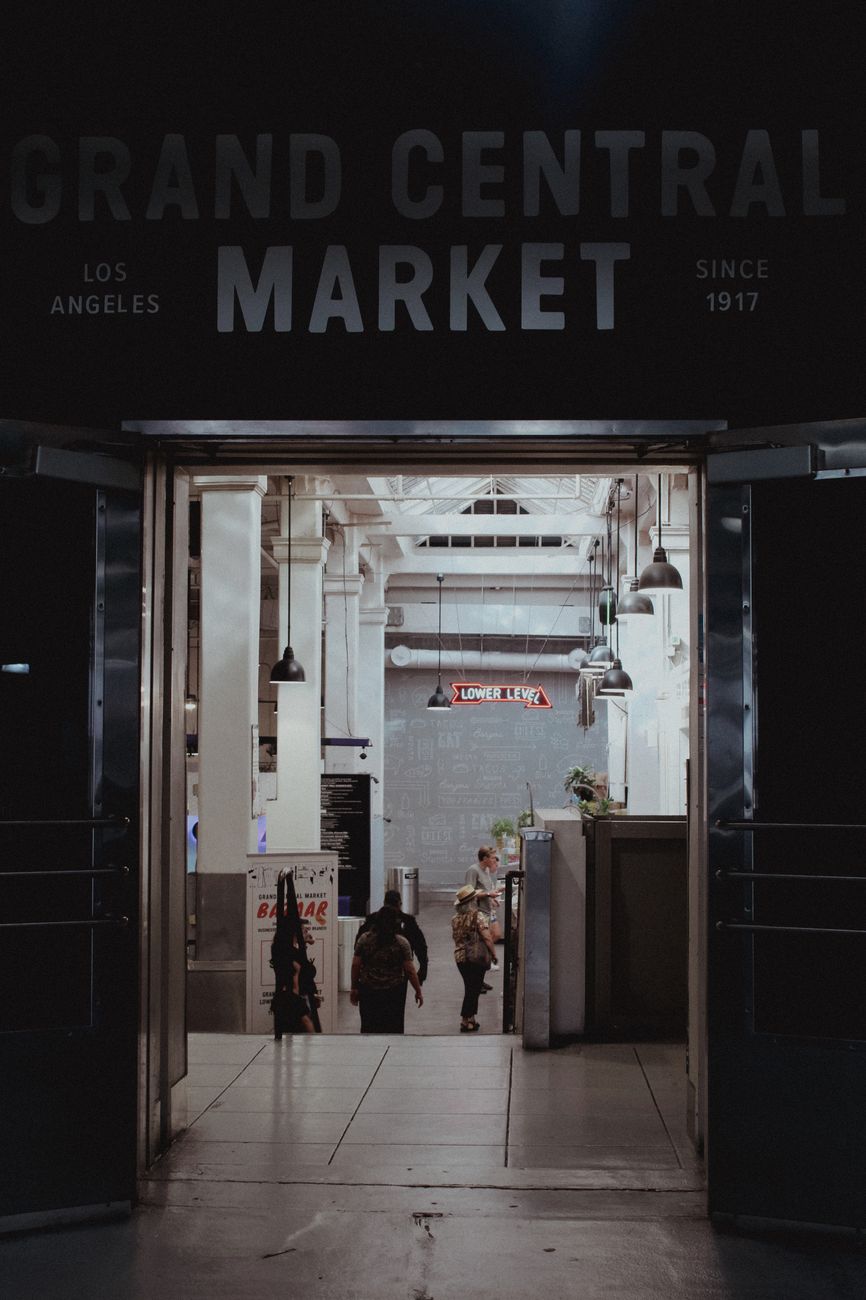
Support local businesses tied to transport: buy coffee at station-area shops like Grand Central Market near Union Station or small bike rental places in Santa Monica rather than large national chains. When using e-scooters, park them in designated racks or on the curb — blocking sidewalks harms pedestrians and can lead to city fines for operators.
Tip drivers and service workers fairly: small tips for drivers, shuttle staff and luggage handlers are normal. If a local bus or rail worker gives helpful directions, mention the station name (for example, Pershing Square or 7th Street Metro Center) when thanking them; it keeps communication precise.
Common Mistakes to Avoid
Relying on a single transport mode for an entire trip. Metro rail is fast on some corridors but will not reach many beach, hill or suburban areas. Expect to mix Metro, buses, FlyAway, Amtrak/Metrolink and rideshares.
Underestimating traffic and event congestion. Avoid scheduling tight connections through I-405 or near Dodger Stadium, Crypto.com Arena (formerly Staples Center) or LA Live during game nights and concerts. Plan at least an extra 30–60 minutes on those days.
Buying individual fares for many short trips instead of a $7 1-Day Pass. If planning to use Metro more than three times in a day, the pass saves money and time by avoiding repeated taps and purchases. Also avoid assuming all buses accept exact cash only; use TAP for convenience and transfers.
FAQ
How much does a Metro single ride cost in Los Angeles?
A standard Metro single ride costs $1.75 (USD), about €1.60; pay with a TAP card or the TAP app.
Is there a day pass for Los Angeles public transit and how much is it?
Yes. Metro 1-Day Pass is $7 (USD), about €6.40, allowing unlimited Metro rides for 24 hours when loaded on TAP.
What is the cheapest way from LAX to Downtown LA?
FlyAway bus to Union Station is $9.75 (USD) one-way; it is often the cheapest reliable option and avoids rideshare surge rates, though travel time varies with traffic.
How long does it take from LAX to Santa Monica using public transport?
Typical FlyAway plus transfer or direct bus options can take 45–90 minutes. Combining a rideshare is usually 20–40 minutes without heavy traffic.
Does Metro cover Santa Monica and the beaches?
Yes—E Line (Expo) runs from Downtown to Downtown Santa Monica (terminus at 4th/Colorado); final mile to Venice or the boardwalk may require a bus, bike or scooter.
Are bikes and scooters legal and available in Los Angeles?
Dockless e-scooters and e-bikes from Lime, Bird and Lyft operate in many neighbourhoods including Venice and Santa Monica. Metro Bike Share docks exist near several Downtown stations.
When do Metro trains stop running?
Frequencies decrease after about 10 pm on many lines and some rail and bus routes end earlier; check the Metro timetable or app for exact night schedules.
Conclusion
The single most important thing to remember: mix transport modes and plan around traffic patterns. Buy a TAP card ($2 processing) and consider a $7 1-Day Pass when planning multiple stops; use FlyAway from LAX for a consistent, budget transfer to Union Station. For a 3-day Los Angeles itinerary, base nights in one well-connected neighbourhood (Downtown for museums and rail links, Hollywood for Red Line access, or Santa Monica for beach days) and use the combination of Metro, FlyAway and selective rideshares to move efficiently between days.
How this guide was prepared
This guide was prepared through a structured research that combines destination research, geographic context, itinerary planning logic, and content review.