
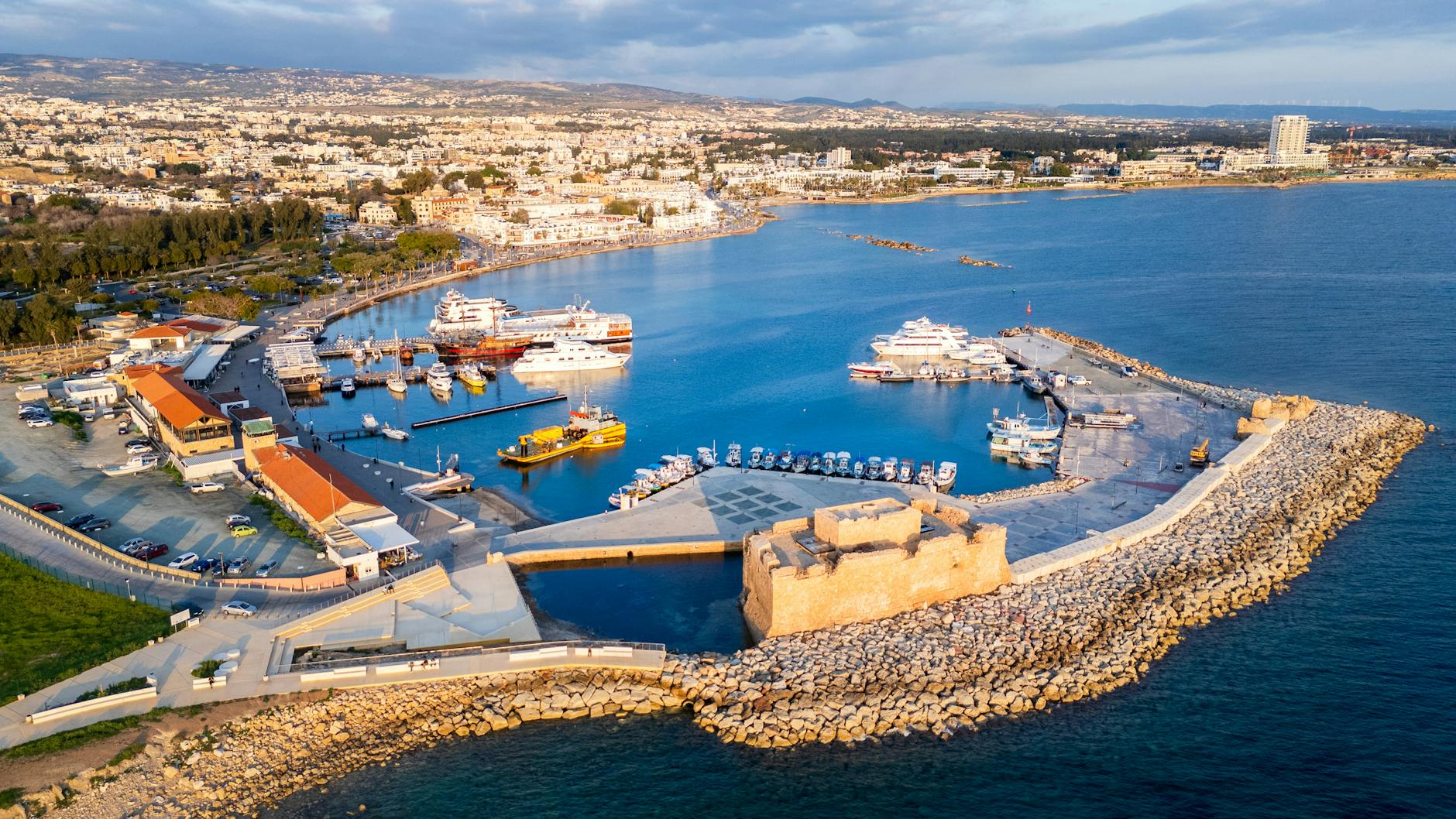
Responsible Travel in Paphos: Practical Support for the 3-Day Itinerary
Practical advice for low-impact, local-first travel in Paphos. Where to stay, when to go, sustainable activities, transport realities, and tips that support the main 3 days in Paphos itinerary.
A concise, practical companion to the 3 days in Paphos itinerary with neighborhood guidance, sustainable tips, seasonal advice, and booking pointers to keep impact low and benefits local.
Quick Answer
A concise, practical companion to the 3 days in Paphos itinerary with neighborhood guidance, sustainable tips, seasonal advice, and booking pointers to keep impact low and benefits local.
Who This Page Is For
This page is for travelers planning a stay in Paphos who want clearer decisions about responsible travel, local logistics, timing, budgeting, and practical trip planning.
How This Page Was Prepared
This page was prepared through a structured editorial workflow that combines destination research, geographic context, and practical travel-planning review.
Plan the Rest of Your Trip
Use this page together with the full itinerary and the related planning pages below to make better booking, timing, transport, and budget decisions.
Yes — Paphos is well suited to responsible travel if you plan thoughtfully. Favor spring or autumn to avoid crowds and extreme heat; base yourself in Kato Paphos or Pano Paphos to support small businesses; choose local guides for archaeology and Akamas trips; and use public bus routes or shared transfers when possible instead of many private drives.
This page is a compact, practical support document for travelers using the 3 days in Paphos itinerary. It focuses on choices that reduce environmental impact, keep spending in local hands, and improve the quality of your visit. You'll find neighborhood tips, seasonal notes, transport realities, and realistic booking advice so your three days feel smooth and responsible.
What This Page Helps You Decide
Use this page to make quick, practical choices that complement your 3 days in Paphos plan.
Decisions you'll be able to make:
- Where to stay for easy access to sights and local businesses (Kato Paphos vs Pano Paphos vs Coral Bay).
- Whether to rent a car or rely on buses and small-group tours for day trips like Akamas.
- How to schedule visits to archaeological sites to avoid crowds and heat.
- Which local providers (tavernas, guides, boat operators) prioritize sustainability and local employment.
Refer back to the 3 days in Paphos itinerary for timing and daily sequencing while you use this page to pick vendors and micro-decisions.

Top Recommendations
Where to stay
- Kato Paphos (harbour, archaeological park): best for walkability to main sites and many small restaurants.
- Paphos Old Town / Pano Paphos: quieter streets, family-run guesthouses, good for evening dining in local neighborhoods.
- Coral Bay: choose only if you prioritize beach time; pick small hotels or private rentals to spread tourist income.
Must-do responsible activities
- Visit the Paphos Mosaics early morning to limit heat exposure and crowds; hire an English-speaking local guide for context and to support heritage interpretation.
- Book a licensed small-group excursion to Akamas Peninsula for eco-watch or guided coastal hikes, avoiding unregulated 4×4 tours that damage vegetation.
- Eat at family-run tavernas and order traditional meze or fish dishes to support local fishers and producers.
Booking basics
- Book archaeological site tickets online when offered or arrive at opening to avoid midday lines.
- For airport transfers, consider shared shuttles or public bus Xy to town; compare prices but prioritize licensed operators.
- If renting a car, buy collision damage waivers and inspect the vehicle on pickup; consider a hybrid or small diesel for fuel efficiency.
For detailed day-by-day choices and timing, see the 3 days in Paphos itinerary, which this page is designed to support.
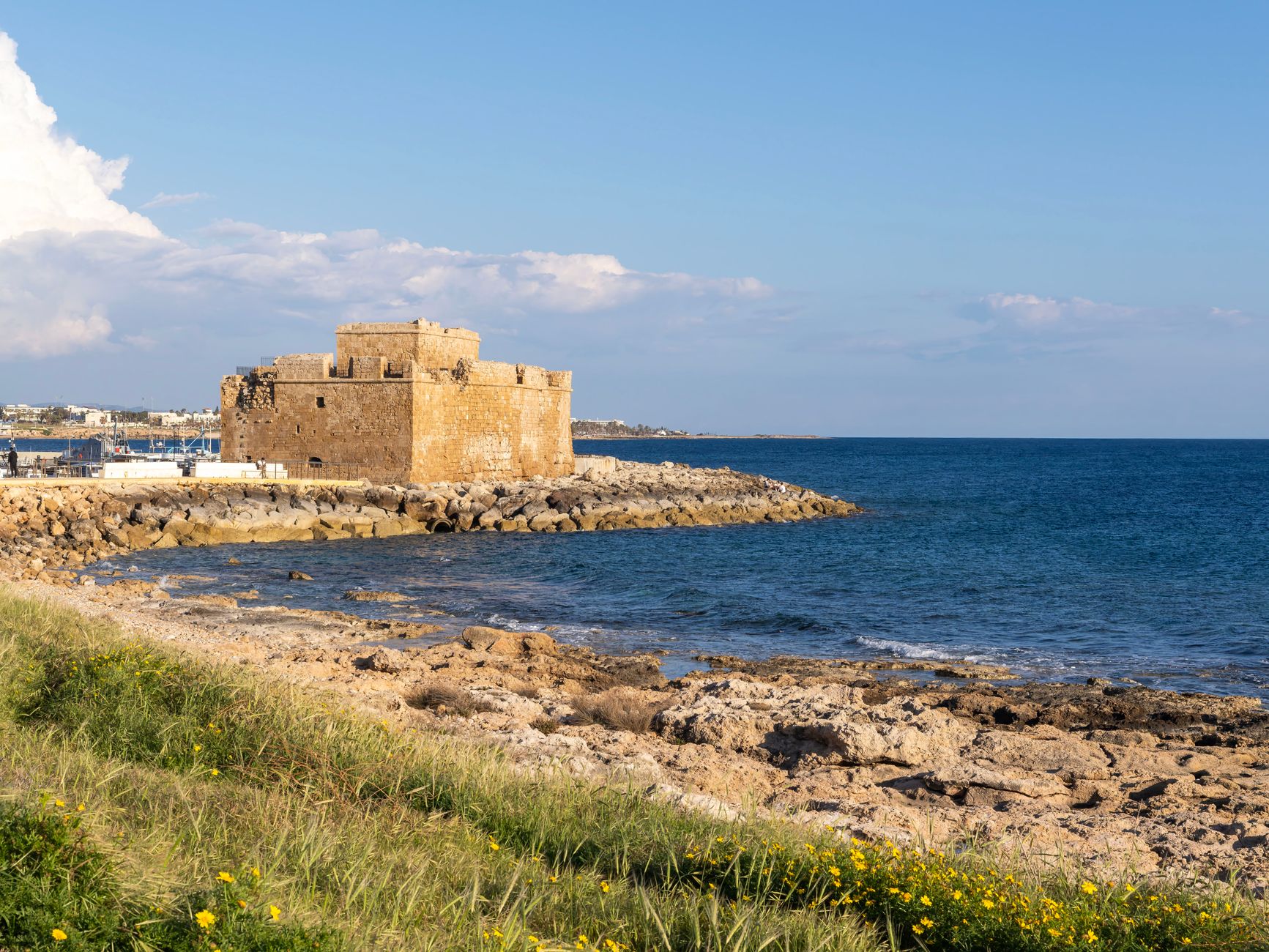
Local Context
Seasonality and crowds
- Best time: late April–June and September–October (shoulder seasons). Temperatures are milder, accommodation prices are lower, and wildflower/green landscapes are at their best in spring.
- High season: July–August brings intense heat and crowds, which increases pressure on water and public services.
Transport realities
- Public buses (OSYPA) connect Paphos town, archaeological park, Coral Bay, and the Paphos airport. Buses are inexpensive but may run less frequently on Sundays.
- Taxis are readily available but more expensive; agree a fare or insist on the meter for short trips.
- Renting a car gives flexibility for Akamas and remote beaches but be sensible about parking in Old Town and follow local speed limits.
Language and etiquette
- Greek is the official language; English is widely spoken in tourism areas. A few words of Greek (please, thank you) are appreciated.
- Dress modestly when visiting smaller villages and church interiors. Beaches are casual, but respectful behavior in coastal shrines and viewpoints is expected.
Cross-border travel notes
- Direct travel to nearby countries (for example Alanya, Turkey) generally requires flight or ferry planning and checks for visa/passport rules. For day-trip planning and overland connections, check current schedules and border requirements in advance.

How to Choose Well
Accommodation
- Prefer small guesthouses, family-run hotels, or locally managed apartments. They tend to reinvest income locally and offer authentic service.
- Check recent reviews for cleanliness, fair cancellation policies, and energy- or water-saving measures.
Tours and activities
- Choose licensed guides for archaeological sites and marine operators with clean-boat practices.
- For Akamas, take guided walks or small-boat trips to avoid unregulated traffic and to learn from trained naturalists.
Food and shopping
- Prioritize markets, bakeries, and fishmongers in Paphos Old Town rather than chain restaurants on the harbour strip.
- Buy locally made products—halloumi, carob, zivania, and ceramics—and ask about origins.
Transport
- If you can, combine public buses with occasional car hires for remote sites instead of renting a car for the whole stay.
- Share transfers or coordinate with other travelers when using taxis or private tours to reduce per-person emissions.
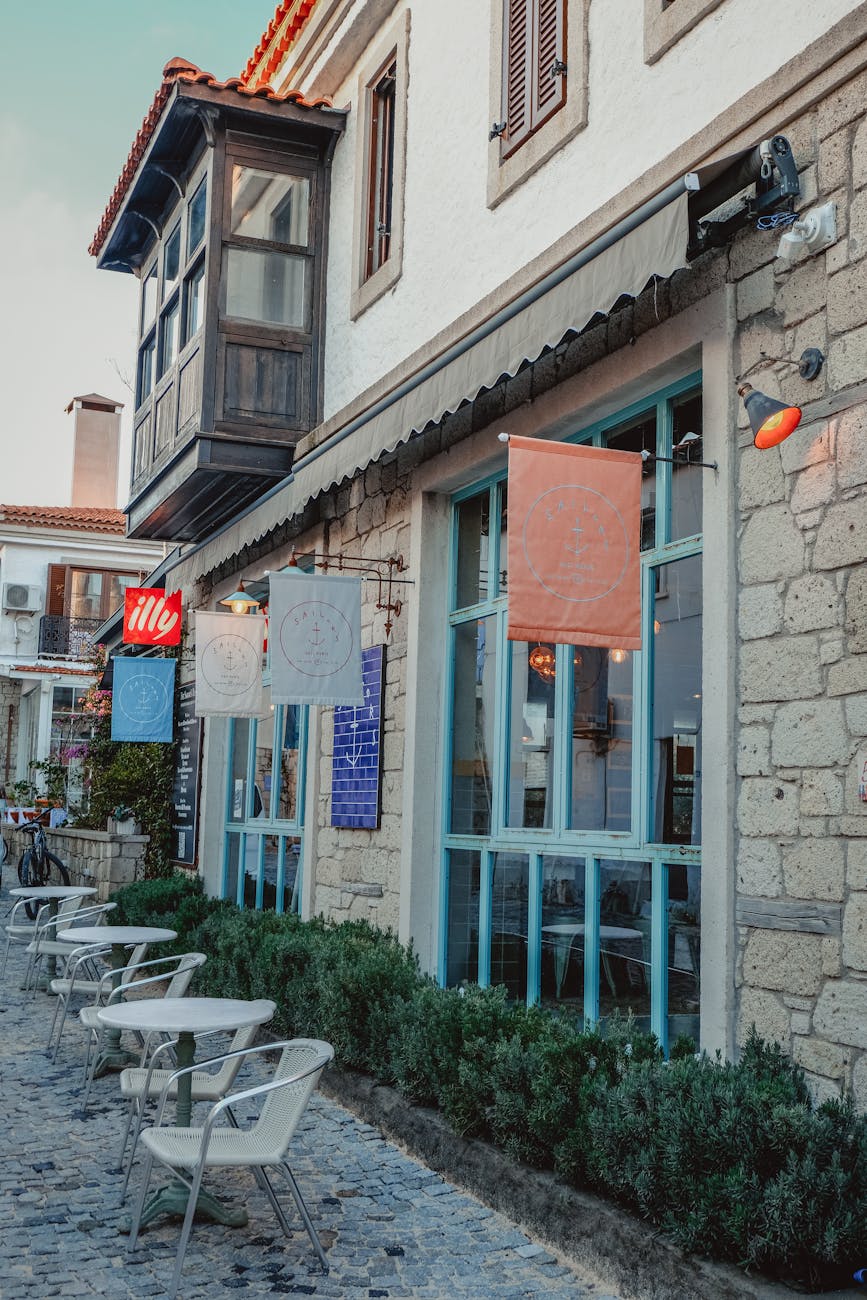
Responsible and Local-First Tips
Practical ways to keep your trip low-impact and locally beneficial:
- Eat locally: choose small tavernas, neighborhood bakeries, and the municipal market for meals and snacks.
- Hire local guides and drivers instead of international intermediaries for archaeology and nature trips.
- Water and waste: carry a refillable bottle, avoid single-use plastics, and use hotel towel/linen reuse programs.
- Wildlife and coastline: keep to marked trails in Akamas, don’t collect shells or disturb nesting areas, and avoid anchoring on sensitive seagrass beds.
- Shopping: prefer local crafts and food producers; ask about sustainable or certified catches when ordering fish.
- Season choice: travel in shoulder seasons to reduce stress on infrastructure and enjoy milder weather.
Small gestures matter: learning a few Greek phrases, tipping modestly when service is good, and asking about a business’s sourcing all support a local-first approach.
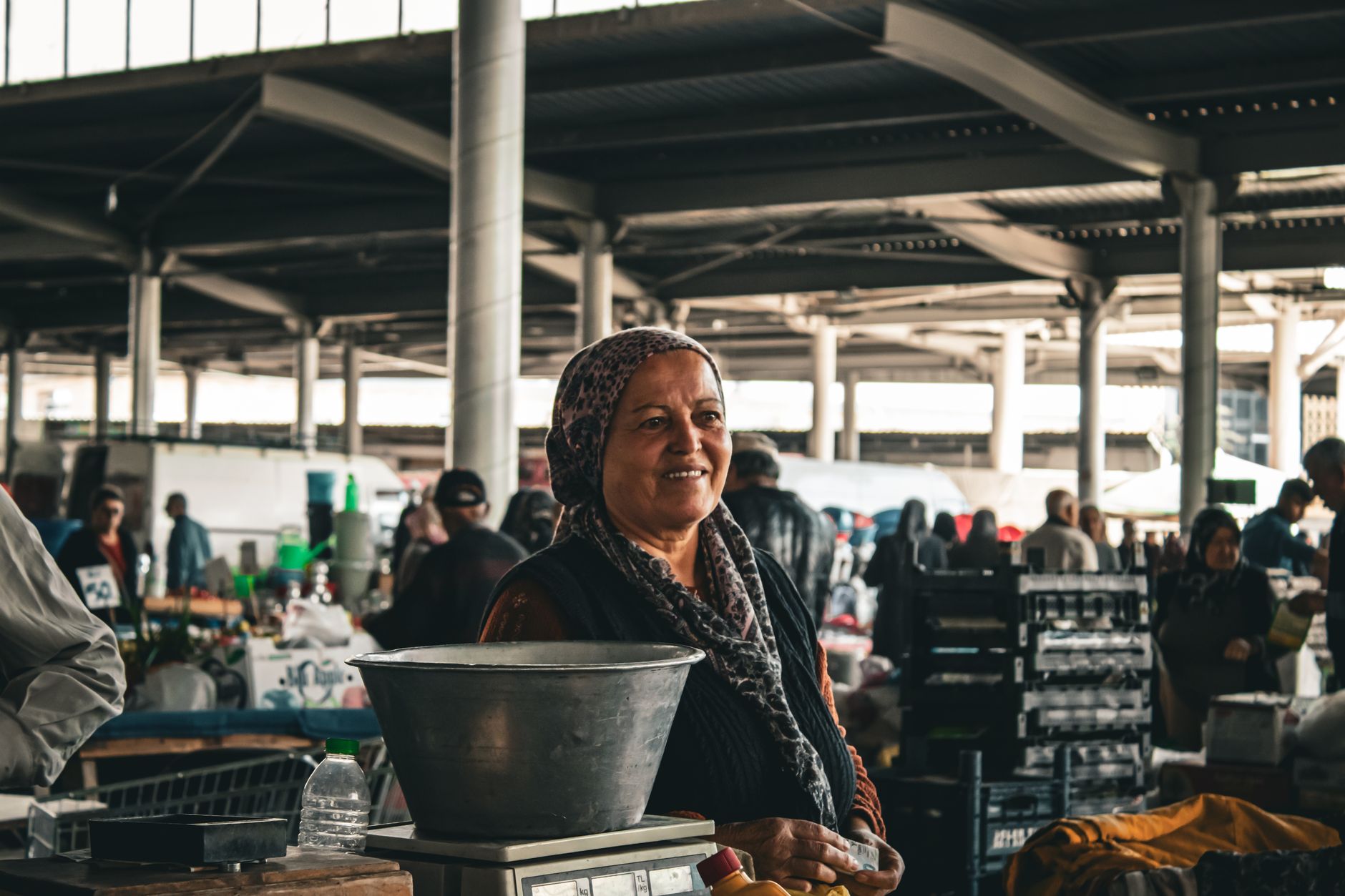
Common Mistakes to Avoid
Avoid these frequent pitfalls to make your trip smoother and less impactful:
- Booking the high season without considering heat and crowds — prefer shoulder months for archaeology and hiking.
- Pre-booking large coach tours to Akamas that use unregulated routes — opt for licensed small-group operators.
- Parking carelessness in Old Town — streets are narrow; use designated lots and avoid blocking residents.
- Eating only on the harbour strip — you’ll miss better value and more authentic food in Pano Paphos and neighbourhood tavernas.
- Not checking site opening times — archaeological sites sometimes close mid-day or have reduced hours in low season.
- Assuming cross-border transport is straightforward — international ferry or flight options can be seasonal; check ahead for Alanya or other nearby destinations.
FAQ
Is Paphos suitable for travelers interested in responsible, low-impact tourism?
Yes. Paphos offers compact neighborhoods, local businesses, and protected nature areas like Akamas where choosing small guides and off-season travel makes a big difference.
When is the best time to visit for cooler weather and fewer crowds?
Late April–June and September–October are the best shoulder seasons for mild weather, lower crowds, and better value.
Do I need a car to follow the 3 days in Paphos itinerary?
Not strictly. The itinerary can be done with a mix of local buses, taxis, and a single car hire or shared tour for Akamas. Renting for the whole stay is convenient but not necessary.
Can I visit Akamas without a 4×4 vehicle?
Yes. There are marked coastal and ridge trails for walking and licensed boat trips for shoreline access. Avoid unregulated 4×4 tours that drive off designated tracks.
How do I get from Paphos Airport to the town center cheaply and responsibly?
The public bus service links the airport to central Paphos at low cost. Shared airport shuttles and pre-booked transfers are a practical alternative if you have lots of luggage.
Is it easy to add nearby cities like Limassol, Nicosia, or Larnaca to my trip?
Yes. Regular intercity buses and private transfers connect Paphos with Limassol and Larnaca; Nicosia is reachable by longer bus or car trips. For Alanya (Turkey) check seasonal ferry and flight options and current border formalities before planning.
Conclusion
Use this support page to refine the 3 days in Paphos itinerary: choose a neighborhood that channels spending to small businesses, book licensed guides for archaeology and Akamas, and travel in shoulder seasons to lower your footprint. If you plan onward travel to Limassol, Nicosia, Larnaca, Protaras, or cross-border options toward Alanya, factor in transport schedules and seasonal services. Small choices—where you eat, who you hire, when you visit—make Paphos a better place for both residents and visitors.
How this guide was prepared
This guide was prepared through a structured research that combines destination research, geographic context, itinerary planning logic, and content review.