
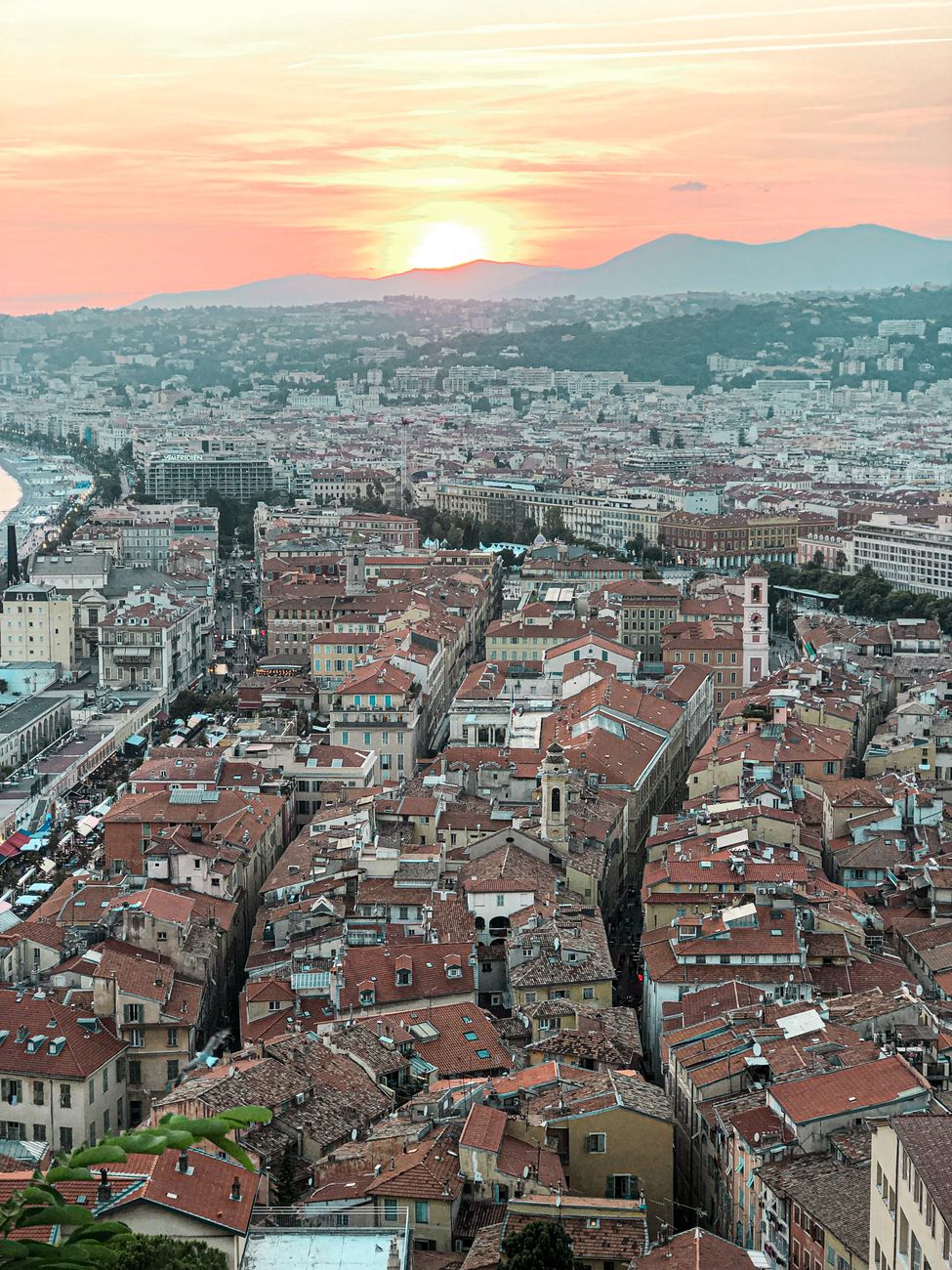
Three-Day Practical Guide to Nice: Itinerary, Tips & Costs
A practical 3-day plan for Nice with transit tips, neighbourhood routes, budget estimates and food recommendations to help plan an efficient weekend visit.
A no-nonsense 72-hour plan for exploring Nice: Old Town markets, Cimiez museums, the port and beaches with realistic times, costs and transit notes for a smooth trip.
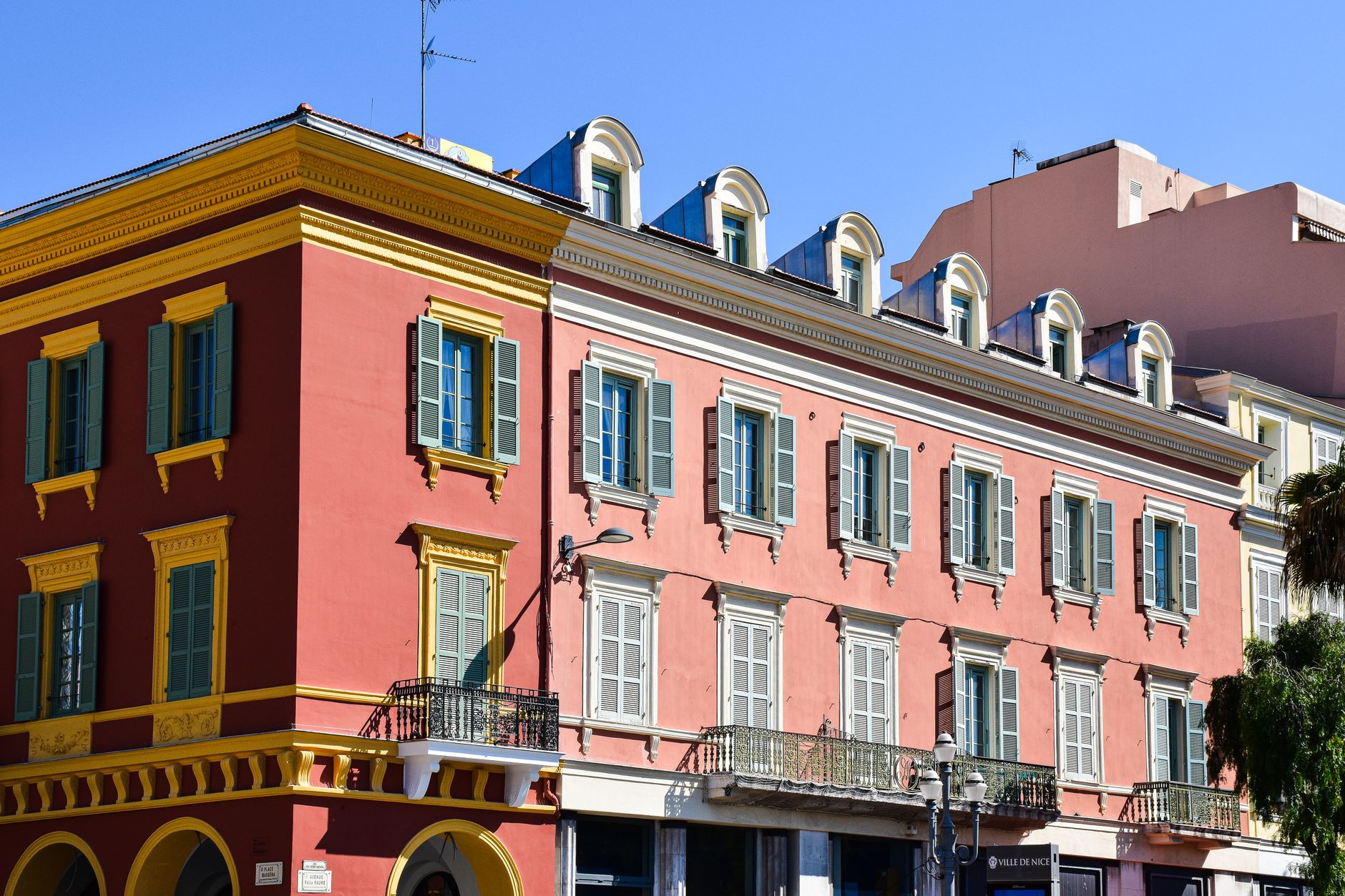
First impressions are sunny boulevards, pebble beaches and narrow alleys stacked with cafés and food stalls. The pace alternates between relaxed seaside mornings and busy market hours in the Old Town; traffic and coach groups concentrate around Place Masséna and the port. Expect noisy scooters at night in central districts and crowded promenades in July–August. Many guidebooks focus on Cannes or Monaco day trips and understate how satisfying a short stay that concentrates on markets, small museums and neighbourhood dining can be.
This destination suits people who like food markets, short museum visits and walking by the sea. It is less suitable for travellers looking for long sandy beaches or an upscale resort vibe; luxury marinas exist but are a small slice of the local life. Planning time in the Old Town mornings and reserving one museum visit avoids rush-hour frustration and maximises the three days.
Is 3 days in Nice enough?
Yes — three days is enough to cover Vieux Nice, the Promenade, Cimiez museums and a relaxed visit to the port or an east-coast village. The caveat: skipping a full-day trip to Èze or Antibes is likely; those deserve at least half a day each.
Who This Guide Is For
Best for travellers who want a mix of food, markets and museums rather than beach-all-day holidays. Not ideal for strict beach-only travellers or those expecting luxury yacht scenes; budget conscious and culture-oriented visitors will get the most out of 72 hours.
Local Tips for Nice
Practical details that most travel sites skip — specific to Nice.
- Cours Saleya runs a daily flower and food market; on Monday the same square becomes the antiques (brocante) market — plan Market visits accordingly.
- Use the Lignes d'Azur tram network (T1 and T2) and buy tickets at machines or via the Lignes d'Azur app; a single ticket is around €1.50 and 10-trip carnets are cheaper per ride when buying multiple journeys.
- Vélo Bleu bike-share has docking stations along Promenade des Anglais and Place Masséna; short rides (first 30 minutes) are cheaper if split into multiple short rentals.
- Nice-Ville (Avenue Thiers) is the rail hub for TER trains to Cannes, Antibes and Monaco; trains to Cannes take about 30–45 minutes and run frequently.
- Many sit-down restaurants in Vieux Nice may list a small couvert (bread/plate service) of about €1–2 — check the menu before ordering to avoid surprises.
How This Guide Was Prepared
This guide treats Nice as a working coastal city with strong regional cuisine, daily markets and crowded summer beaches rather than an idealised Riviera postcard. Many guides overemphasize glamorous day trips and ignore practical timing, where to eat affordably in Vieux Nice, and how public transit actually saves time. The focus here is on realistic pacing, local costs, and which neighbourhoods to prioritise in three days. This guide was prepared through a structured research that combines destination research, geographic context, itinerary planning logic, and content review.
Plan Your Stay in Nice
Use these planning pages to compare areas to stay, expected costs, seasonal timing, and local transport before booking.
Why Visit
Markets and local food make this place special: Cours Saleya’s flower and produce stalls give direct access to Provençal produce and snacks that define regional cuisine. Small museums are unusually concentrated — Musée Matisse in Cimiez and Musée Marc Chagall are both short trips from the centre and can be enjoyed without a full-day commitment.
The public transit grid (tram lines and frequent TER trains) makes short hops to Antibes, Cannes or Villefranche-sur-Mer straightforward when extra time is available. The port area keeps an authentic working-harbour atmosphere with seafood stalls and fishmongers, which contrasts with polished seaside hotels along the Promenade. Finally, the city functions as a compact base: most key sites are within 20–35 minutes of each other on foot or tram, which suits a tight three-day schedule.

Quick Planning Tips
The easiest airport transfer for many travellers is a taxi from Nice Côte d'Azur Airport: expect roughly €30–€45 to central neighborhoods depending on luggage and traffic. Airport buses (lines 98/99) and occasional shuttle services also run; check times if arriving late.
Carry a mix of contactless card and small euros; many restaurants include service (service compris) so tipping is modest — round up or leave €1–2 for good service. Buy tram tickets at machines before boarding and validate them; inspectors do issue fines.
Avoid booking museum visits and La Merenda-style tiny restaurants the morning of the same day in high season; reserve dinners ahead for popular small spots. Also avoid planning all museum visits on the same day — spreading them saves energy and travel time.
Day 1
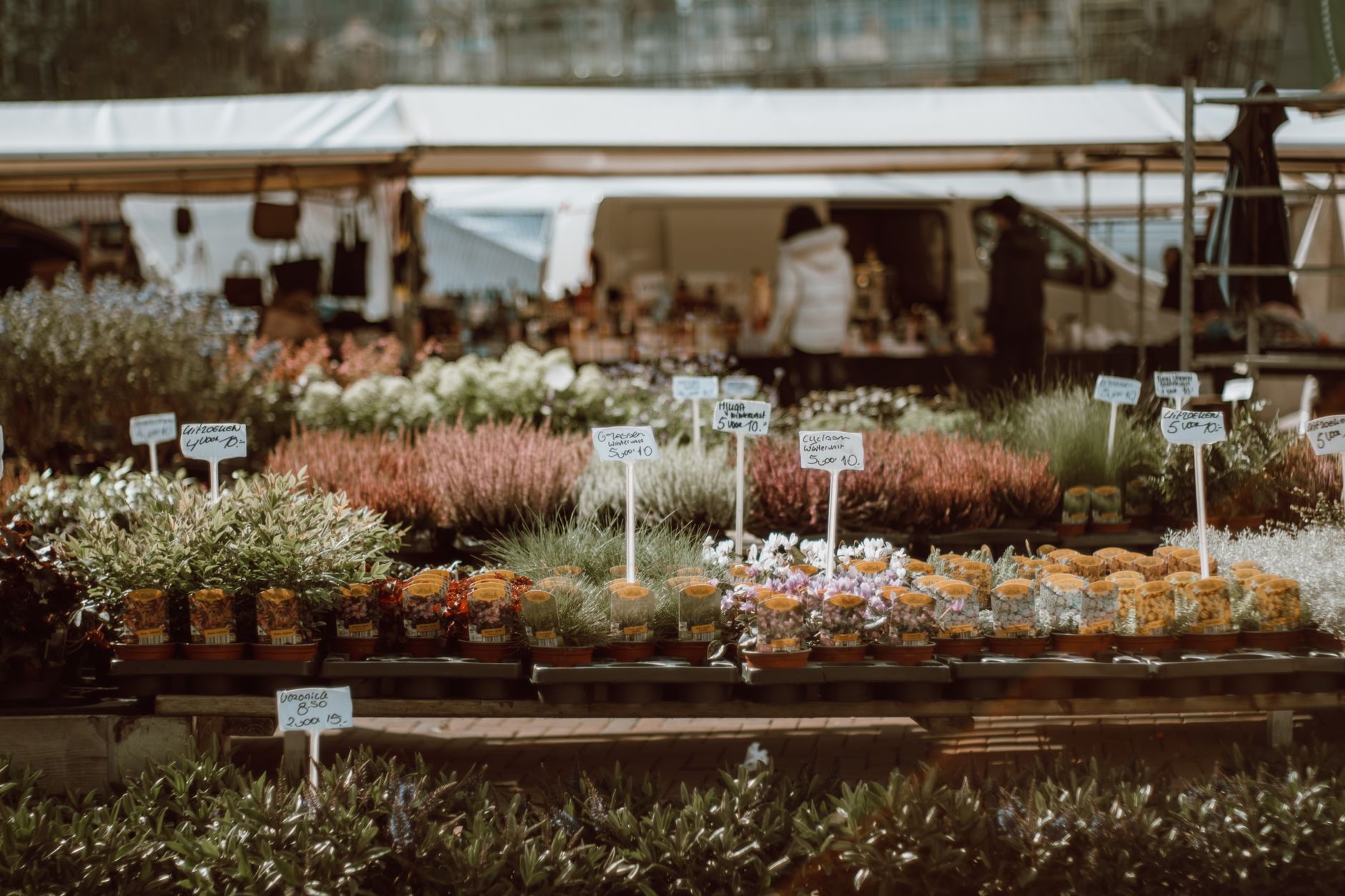
Morning: Start in Vieux Nice at Cours Saleya for the flower and food market (arrive 09:00–10:30 to avoid peak coach groups). Sample socca from a stand and scan the stalls for olives and tapenade. Expect 1–2 hours here.
Late morning: Walk 5–10 minutes to Cathédrale Sainte-Réparate and then climb Colline du Château (Castle Hill) for views over the Bay. The ascent takes about 15–20 minutes from Place Rossetti; budget another 30–40 minutes for photos and the park.
Lunch: Eat in the Old Town — try Chez Pipo (Rue Bavastro) for traditional socca and pan bagnat; a plate should be around €6–€12. After lunch, stroll 10–15 minutes to Place Masséna and window-shop along Avenue Jean Médecin.
Afternoon: Walk or take tram T1 a short ride to the Promenade des Anglais. Spend time on the seafront promenade, and if interested pick a public pebble beach or a private plage for loungers. This section is about a 20–30 minute walk from Place Masséna.
Dinner and evening: Head back toward the port or Vieux Nice for dinner. La Merenda (small, traditional dishes) is a noted option — book in advance and note cash-only policies where posted. End the night with a gelato at Fenocchio on Place Rossetti and a relaxed stroll along the lower Promenade.
Day 2
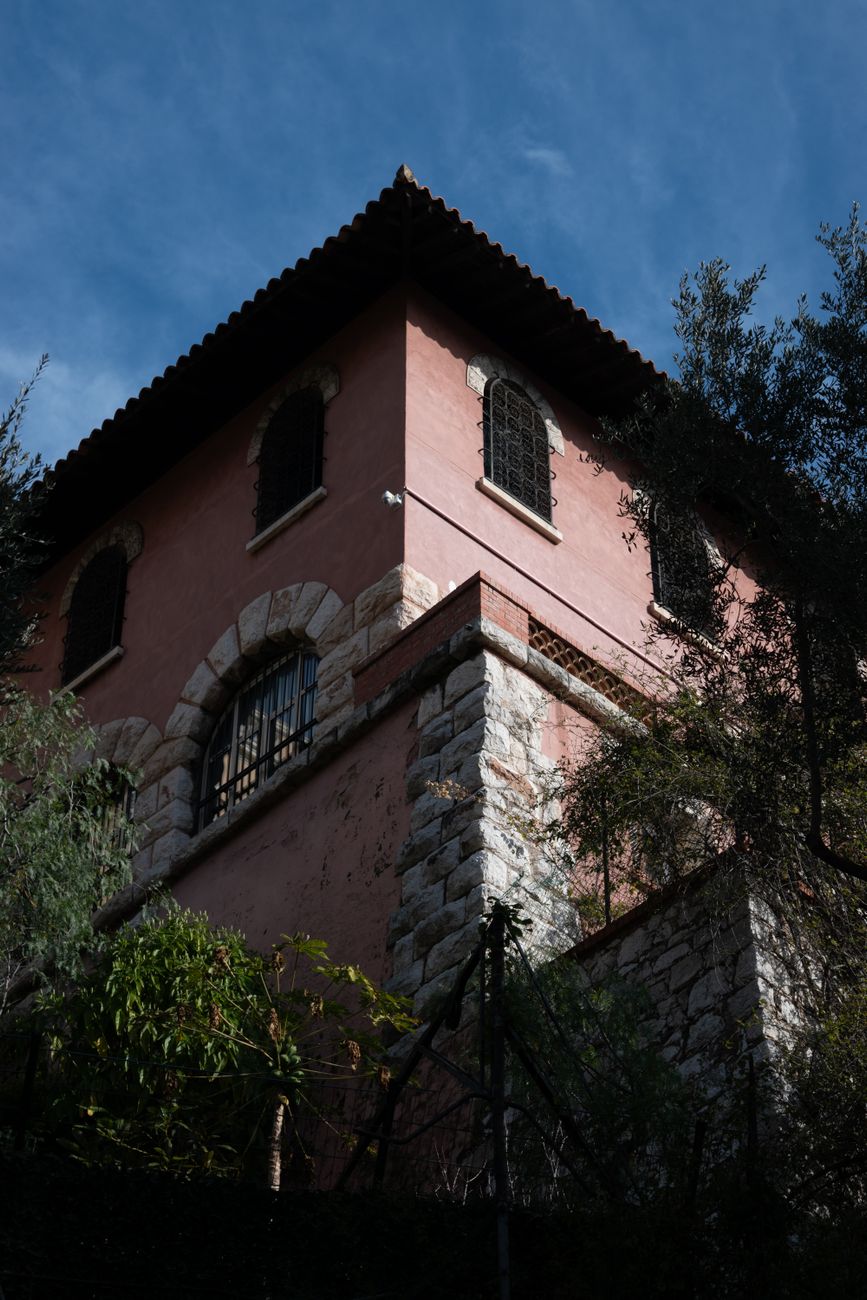
Morning: Take bus or tram to Cimiez to visit Musée Matisse and the Monastère de Cimiez. Expect about 20–30 minutes transit from central stops like Jean Médecin. Allow 1.5–2 hours for the museum and monastery gardens; museum admission is around €8–€12 depending on temporary exhibitions.
Late morning: Walk past the Roman amphitheatre and the archaeologic site near the monastic complex for brief viewing; these ruins are close by and add local context. From Cimiez, return toward the Riviera side using tram T1 or a short taxi ride.
Lunch: Stop near Musée Marc Chagall (Avenue Dr Ménard area) or eat at a café along Avenue des Arènes. The Marc Chagall museum focuses on Biblical message paintings; entry is roughly €7–€12.
Afternoon: Explore the Port Lympia area and Rue Bonaparte for smaller specialist shops and fishmonger stalls. A short walk along Quai Lunel shows working boats and seafood restaurants; walking from Place Garibaldi to the port takes about 10–15 minutes.
Evening: Consider dinner around the port where prix-fixe menus vary; alternatively return to Vieux Nice for late-night bar options. If energy remains, an evening performance at Opéra de Nice near Place Masséna is a structured option.
Day 3
Morning: Visit Marché de la Libération near Avenue Malausséna for a local produce market popular with residents; best before 10:30. The market is a good place to pick up regional specialties for a picnic or train snack.
Midday: Walk or tram to Nice-Ville station (Avenue Thiers) if planning a short coastal hop — trains to Villefranche or Antibes run frequently and take 10–45 minutes depending on destination. For an afternoon return visit to a beachside village, allocate a half-day for a single short trip.
Lunch: If staying local, try a pan bagnat from a bakery for a quick, portable lunch (about €6–€10), or sit down at a café near Place Garibaldi. After lunch, squeeze in MAMAC (Musée d'Art Moderne et d'Art Contemporain) near Place Garibaldi if modern art is of interest.
Afternoon/check-out note: For travellers with an afternoon flight, leave luggage at a hotel or locker and aim to be at the airport two hours before departure. Allow 30–45 minutes travel to Nice Côte d'Azur Airport from central districts and factor in peak traffic. If time is tight, keep activities within a 15–20 minute radius of the station or Promenade.
Best Local Experiences
Cours Saleya flower and food market — buy olives, tapenade and socca to eat standing at the stalls. It’s busiest in late morning. Fenocchio ice-cream on Place Rossetti — over 90 flavours and long lines on summer evenings.
A late-afternoon climb on Colline du Château for sunset views — skip the lift queues by starting earlier in the afternoon. Cimiez monastery and Musée Matisse — a quiet cultural counterpoint to the Old Town and worth the uphill trip for art lovers.
Ride Vélo Bleu along the Promenade des Anglais — short hops are cheap and useful for moving from Place Masséna to the port. Marché de la Libération — a true resident market with local fish and produce, best on weekday mornings.
Attend Nice Carnival in February if traveling then; expect large crowds and night parades focused on floats and music. For quieter evenings, seek out jazz nights at small clubs around the port.

Where to Stay
Vieux Nice (Old Town): Suits food-focused travellers who want immediate access to Cours Saleya, narrow streets and evening life. Rooms are often in older buildings with limited elevators. Expect roughly €110–€220 per night (about $120–$240) depending on season.
Carré d'Or / Place Masséna: Suits shoppers and first-time visitors who prefer central tram access and the Promenade close by. Hotels here are mid-range to upscale and put museums and transport within easy reach. Expect €130–€260 per night (about $140–$285).
Le Port (Port Lympia and Rue Bonaparte): Suits travellers who want a livelier, less tourist-clustered dining scene with seafood restaurants and bars. Rooms can be modern boutique conversions. Expect €100–€200 per night (about $110–$220).
Cimiez / Mont Boron: Suits those who prefer quieter, residential vibes and proximity to Musée Matisse and parks. Good for museum days and a calmer night; allow 10–20 minutes to central areas by bus or tram. Expect €90–€180 per night (about $100–$195).
Food and Drink
Socca: A chickpea pancake cooked in a wood-fired oven; best at Chez Pipo (Rue Bavastro) or local street stands — a serving costs about €3–€7. Salade Niçoise: Tuna, anchovies, tomatoes, olives and hard-boiled eggs — find solid versions at bistros near Place Garibaldi for €12–€18.
Pissaladière: Onion and anchovy tart available in bakeries across Vieux Nice; grab one for €3–€5. Pan Bagnat: A sealed sandwich with tuna or anchovy and vegetables — a good picnic option from bakeries or market stalls for €6–€10.
Tourte de blettes: A regional sweet/savoury Swiss chard tart sold in traditional pâtisseries and some bakeries — sample at Maison Auer or local patisseries for around €2–€4. Breakfast option: pastries and coffee at Maison Auer on Place Masséna or a boulangerie near Avenue Jean Médecin for about €4–€8.
Drinks: Local rosé and Coteaux d’Azur wines are available by the glass in wine bars; expect €4–€7 per glass. Fenocchio gelato scoops cost roughly €2.50–€4 depending on size.
Getting Around
Public transit is operated by Lignes d'Azur: tram lines T1 and T2 connect central stops including Jean Médecin and Place Masséna; trams are frequent during the day. Bus lines cover neighbourhoods not reached by tram; airport buses run on lines 98/99.
Single tram or bus tickets cost around €1.50; 24-hour or multi-day passes are available at ticket machines and via the Lignes d'Azur app and often save money for multiple trips. Tickets must be purchased before boarding and validated on board or at stations.
SNCF TER regional trains run from Nice-Ville station (Avenue Thiers) to Cannes, Antibes and Monaco; trips to Cannes take about 30–45 minutes. Taxi from Nice Côte d'Azur Airport to the centre runs about €30–€45 depending on traffic. Useful apps: Lignes d'Azur app for local timetables, SNCF Connect for regional trains, and Google Maps for routing.
Best Time to Visit
Spring (April–June) offers mild temperatures (15–22°C), blooming markets and fewer crowds; late May is often a good balance of weather and value. Summer (July–August) brings hot weather (24–30°C+) and heavy crowds with higher accommodation prices; expect busy promenades and limited space on public beaches.
Autumn (September–October) remains warm (18–24°C) with thinning crowds and good sea temperatures; this is a reliable shoulder season for value. Winter (November–March) is mild (8–14°C) with fewer tourists and better hotel rates, though some seaside services reduce hours. February hosts Nice Carnival — expect large crowds and pre-booked hotels during that event.
Budget and Practical Tips
Daily budget estimate (per person): Budget traveller: accommodation €50–€90, food €25–€40, transport €3–€8, entries €5–€15 — total about €85–€150 per day (~$90–$160). Mid-range traveller: accommodation €120–€200, food €40–€70, transport €5–€10, entries €10–€30 — total about €175–€310 per day (~$190–$340).
Many cafés and restaurants include service in the bill (service compris). Leaving small change or rounding up is appreciated for good service. Pack comfortable shoes for cobbles and pebble beaches; private beaches charge for lounger rentals (expect €10–€30). Frequent museum admissions range from €6–€12; look for combined tickets or reduced-price entry times. Tourist tax applies per night in many hotels; check booking details before arrival.
FAQ
Is Nice safe for solo travellers?
Yes, central neighbourhoods are generally safe during the day; take normal precautions at night and watch for pickpockets in crowded areas such as markets and trains.
How do I get from the airport to the centre?
Taxis run from outside arrivals with fares around €30–€45; airport buses (lines 98/99) are cheaper but check schedules; some tram stops connect to central tram lines.
Are beaches free?
Public pebble beaches are free; private plages charge for sunbeds and services, typically €10–€30 depending on season and facilities.
Is a tourist card worth buying?
A Nice city card can save money if planning multiple paid museum visits and guided tours; for a tight three-day visit focused on markets and one or two museums, pay-as-you-go often works better.
Can day trips to Cannes or Antibes be done easily?
Yes — TER trains from Nice-Ville take about 30–45 minutes to Cannes and 15–25 minutes to Antibes; plan at least a half-day for each location to be worthwhile.
What about vegetarian or dietary options?
Markets and many bistros offer fresh vegetable dishes, socca (gluten-free chickpea pancake) and salads; explicitly ask about fish in dressings for traditional Salade Niçoise.
Are credit cards widely accepted?
Most hotels and mid-range restaurants accept cards; small market stalls and some tiny restaurants may prefer cash, so keep small euros handy.
How far in advance should popular restaurants be booked?
For small, highly regarded restaurants like La Merenda or specialty bistro tables, reserve at least several days in high season and confirm cash policies.
Conclusion
A three-day visit will leave a clear imprint: market mornings, a museum or two, promenade walks and at least one memorable meal in the Old Town. Practical choices — using trams, splitting museum visits and picking one nearby village for a half-day — keep the itinerary manageable. If time runs short, prioritise Cours Saleya market and the Colline du Château view; those two deliver a compact sense of place in a single morning and are the best choices to prioritise on a tight schedule.
How this guide was prepared
This guide was prepared through a structured research that combines destination research, geographic context, itinerary planning logic, and content review.