
Palermo in 3 Days: Practical 72-Hour Itinerary and Tips
A practical 3-day Palermo guide with routes, costs, transit tips and neighbourhood advice to plan a focused weekend without surprises.
A realistic, street-level 3-day plan for Palermo that balances Norman monuments, markets and coastal time with honest transport and cost notes.
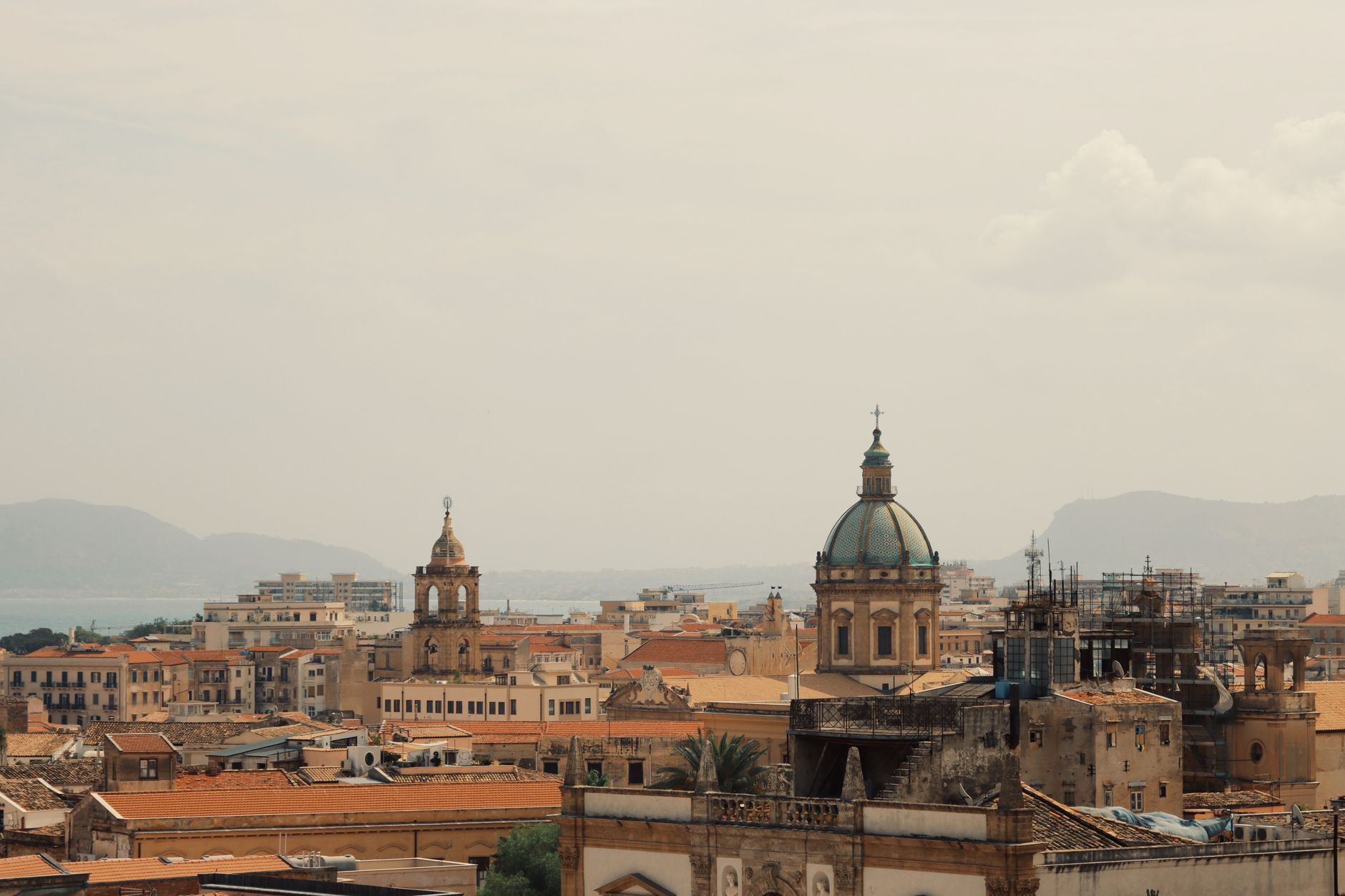
A first impression is noise, layers and sudden architectural shifts: narrow medieval lanes alongside grand Norman palaces and busy street stalls. The rhythm is market-driven mornings and slower afternoons; expect loud scooters, open-air vendors and the smell of frying oil near the major piazze.
Many visitors expect an orderly heritage-city with clear walking routes and are surprised by the urban grit: uneven pavements, traffic congestion and mixed opening hours. That reality shapes planning — timed tickets, early starts for markets, and realistic walking distances matter more here than in more tourist-focused Italian cities.
This environment suits travellers who enjoy food markets, architecture from Arab-Norman periods and a strong sense of local life. Short visits work if priorities are set: pick markets and one or two major monuments, and accept that long day trips will cut into concentrated city time.
Is 3 days in Palermo enough?
Three days is enough to see the cathedral, Palazzo dei Normanni with the Cappella Palatina, Teatro Massimo, and two major markets, plus a half-day at Mondello beach or Monreale. The caveat: a proper visit to Agrigento, the Egadi islands or a full Sicilian road trip will need more time and should be deferred.
Who This Guide Is For
Best for cultural travellers, food-focused visitors and budget-conscious weekenders who accept uneven pavements and lively street noise. Less suitable for travellers seeking a quiet luxury beach resort or a relaxed, slow-paced retreat.
Local Tips for Palermo
Practical details that most travel sites skip — specific to Palermo.
- Buy AMAT single tickets at tabacchi or machines for about €1.40 (valid 90 minutes across buses) — inspectors check tickets on board.
- The Prestia e Comandè airport bus from Aeroporto Falcone-Borsellino to Palermo Centrale costs around €7 one way and is far cheaper than a taxi.
- Cappella Palatina inside Palazzo dei Normanni requires timed-entry tickets in high season; expect around €12–15 for entry and reserve a slot if possible.
- Mercato di Ballarò runs from morning into early afternoon along Via Ballarò and is busiest 08:00–12:00; arrive before noon for the best street-food options.
- Rooftop access at Cattedrale di Palermo has a small extra fee (around €5) and involves steep steps and low railings — plan for sensible footwear.
How This Guide Was Prepared
This guide treats Palermo as a noisy, layered Mediterranean port where markets and medieval palaces compete with traffic and narrow sidewalks. Many guides only list monuments; this one insists on routes that work on foot, transit and by local habit, and points out when attractions require timed tickets or awkward transfers. This guide was prepared through a structured research that combines destination research, geographic context, itinerary planning logic, and content review.
Plan Your Stay in Palermo
Use this itinerary as your starting point, then compare areas to stay, transport options, seasonal timing, and realistic daily costs before booking.
Why Visit
There are three concrete reasons to build a 3-day trip here: the Arab-Norman monuments around Palazzo dei Normanni and Cappella Palatina, which show a unique blend of mosaic and Islamic decorative elements; the street markets — Ballarò, Capo and Vucciria — where seafood, arancine and local produce are sold in intense, everyday ways; and a compelling theatre scene anchored by Teatro Massimo, which offers both architecture and opera performances.
Beyond the sites, the city is a useful base for short excursions: a half-hour bus ride reaches Mondello beach, while regional trains and buses link to Monreale for its cathedral mosaics. Practical advantages include lower entry fees and food prices than northern Italian cities, and a compact centre where several major sights sit within 20–30 minutes on foot of each other.

Quick Planning Tips
Fly into Aeroporto Falcone-Borsellino (Punta Raisi) and use the Prestia e Comandè airport bus to Palermo Centrale; it runs every 30–60 minutes and costs around €7 one way. Taxis are available but expect a fare of roughly €35–45 to the centre depending on luggage and time of day.
Payment: euros are used everywhere; smaller cash bills and coins help at markets and for bus drivers. Most tabacchi sell AMAT tickets and bus machines accept cash and cards; contactless payment works on some services but not at every stall.
A common planning mistake is assuming all museums accept walk-up entry during high season. For Cappella Palatina and certain guided visits at Teatro Massimo, buy timed tickets in advance and arrive 10–15 minutes early to avoid long queues.

Day 1
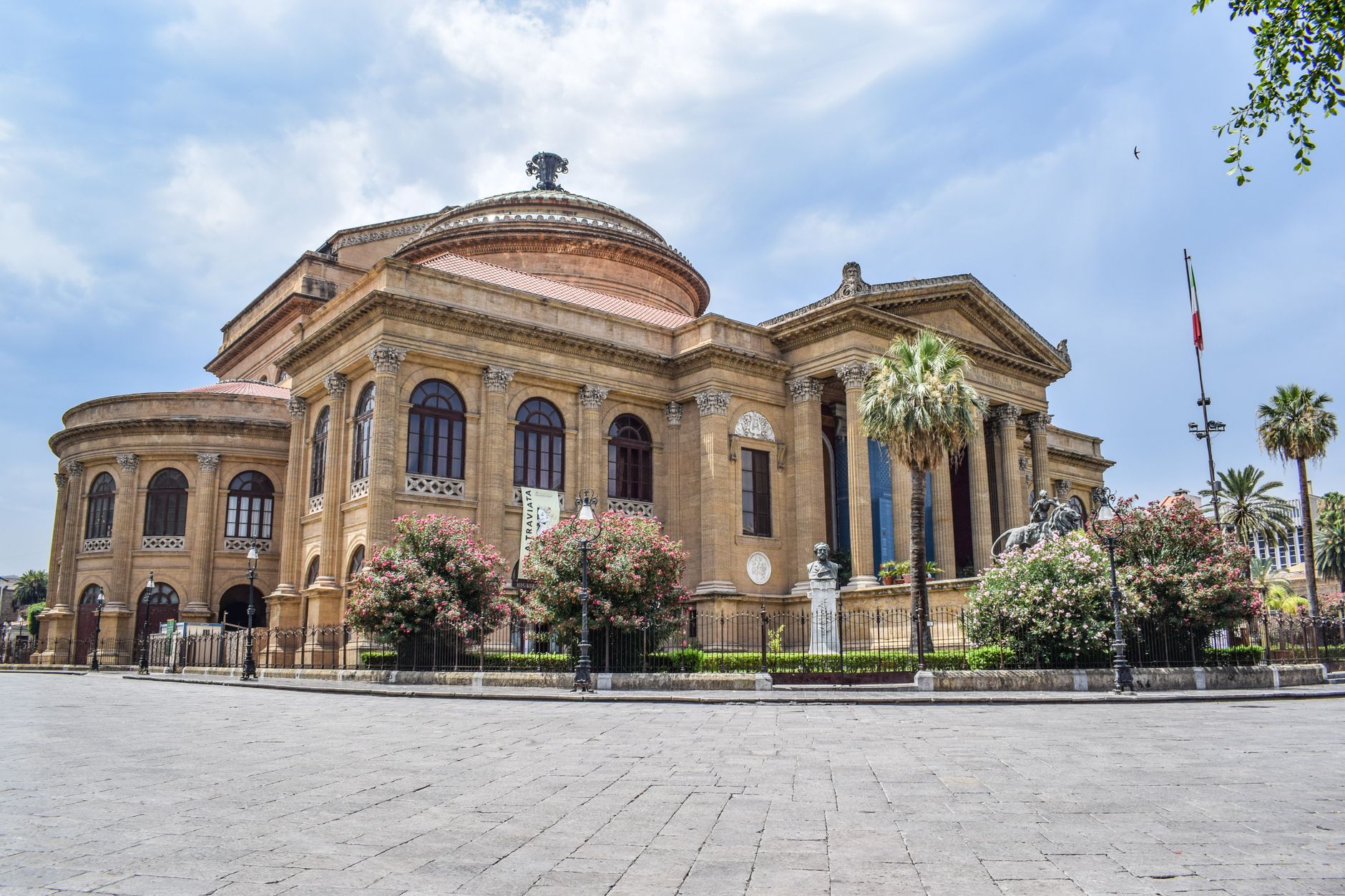
Start at Palermo Centrale station and walk 10–15 minutes to Teatro Massimo for an exterior look and, if timed, a guided tour (tours often run mid-morning). From there stroll down Via Maqueda for 5–8 minutes to reach Quattro Canti and then the Fontana Pretoria; both are compact, so plan 30–45 minutes combined for photos and exterior details.
Next, head to Cattedrale di Palermo (about 8 minutes on foot from Fontana Pretoria). Allow time to climb to the rooftop access if open (small extra fee) and then explore the interior's royal tombs; total visit 45–60 minutes. For lunch, walk 7 minutes to Mercato del Capo and sit at a stall for panelle and crocchè; expect €3–6 for two fried items and a soft drink.
In the afternoon, take a 10–15 minute bus or a 25-minute walk to Palazzo dei Normanni and Cappella Palatina; allow at least 90 minutes because mosaics reward a slow pace and timed-entry may be enforced. From the Norman palace, a short bus or 15–20 minute walk leads to Piazza Bellini and the small archaeological museum if time allows.
Evening recommendation: return toward Teatro Massimo and book dinner at an osteria near Via Maqueda such as Osteria Ballarò or Trattoria Altri Tempi (reservations advised). After dinner, a late stroll across Piazza Verdi gives a different night perspective on the theatre façade and local nightlife.
Day 2
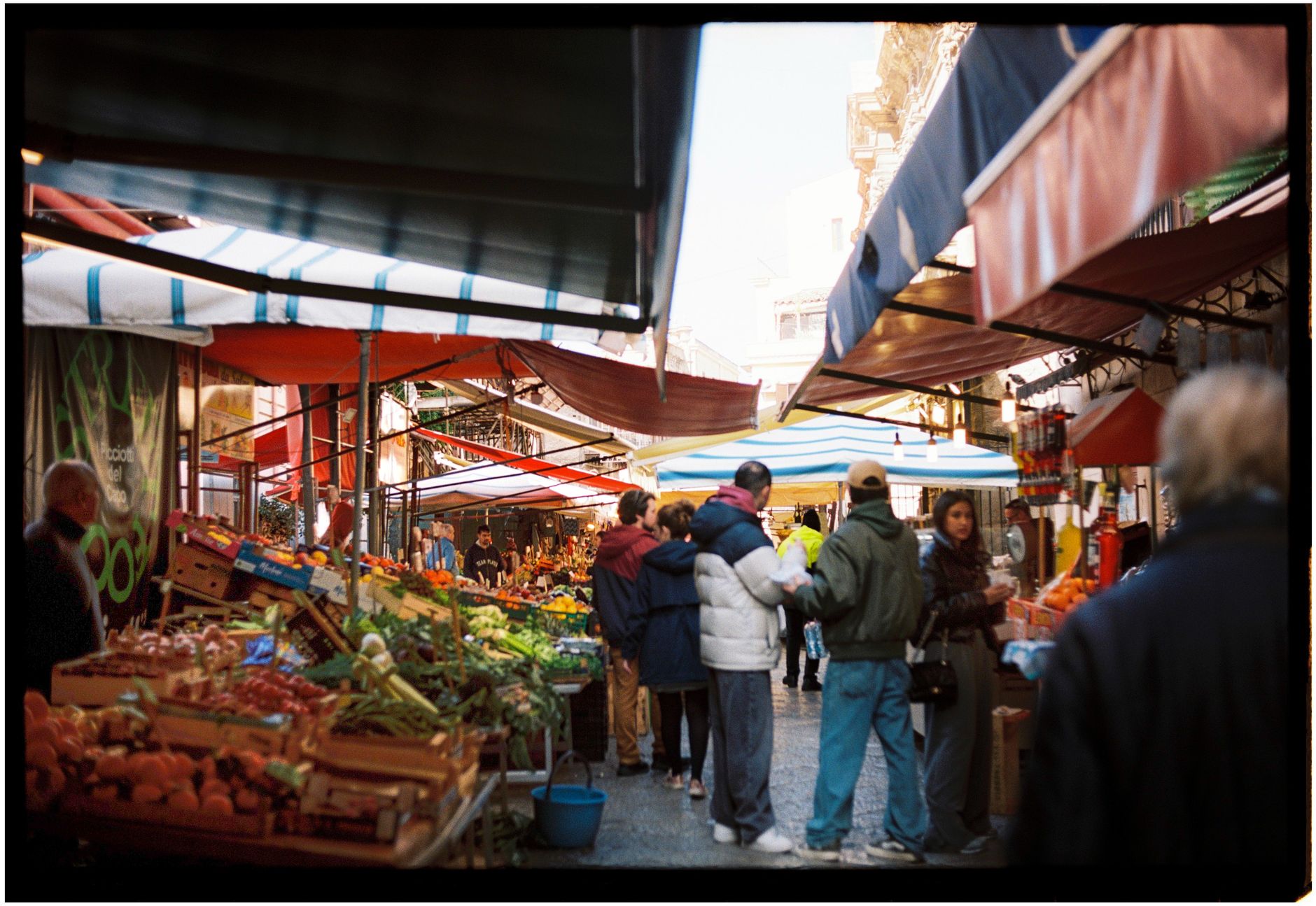
Shift character: spend this day among markets, narrow streets and a religious landmark outside the centre. Begin at Mercato di Ballarò along Via Ballarò — arrive 08:00–10:00 for the liveliest stalls and street snacks like sfincione by the slice. Allocate 60–90 minutes to sample and walk the alleys.
From Ballarò, walk 10 minutes to the Capo Market area and then 5 minutes more to the Vucciria quarter; Vucciria's daytime market is quieter than its evening scene but still offers good seafood counters and small cafés. For lunch, choose a seafood stand near Vucciria or a nearby trattoria — expect €8–15 for a plate of pasta with shrimp or local swordfish.
After lunch, catch a bus to Monreale (several ARST or local buses run from Piazza Indipendenza; travel time 25–35 minutes). Visit Monreale Cathedral and its golden mosaics; plan at least 90 minutes for the cathedral and cloister. Return to the city centre by bus in late afternoon.
Evening recommendation: explore Via Roma for a less touristy dining scene or head to the Kalsa neighbourhood for aperitivo bars and a slower pace than the centre core. Night markets around Vucciria come alive on weekends if street vendors are open.
Day 3
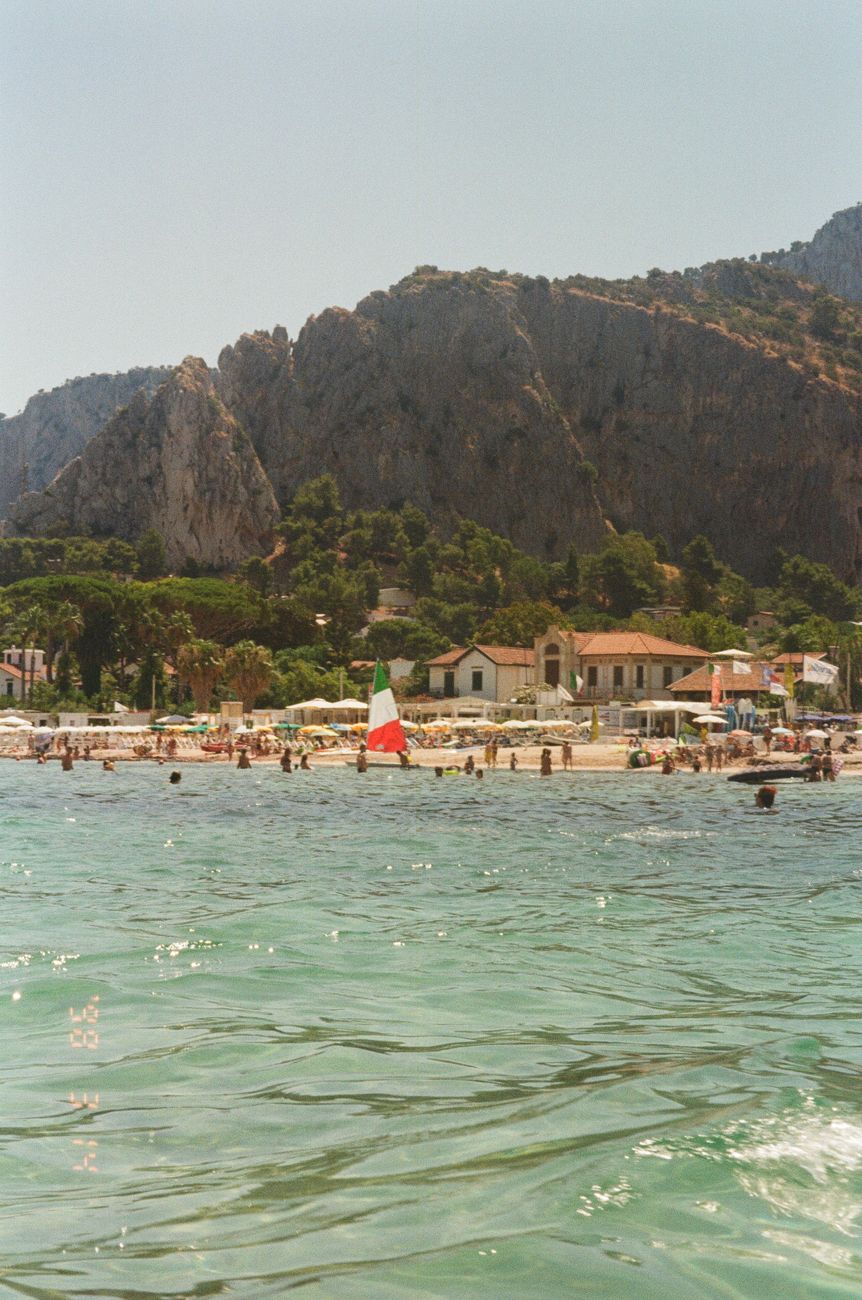
Reserve the final day for a coastal half-day or a quieter museum run and practicalities around checking out. If the beach option is chosen, take bus 806 or a local line to Mondello (roughly 30–40 minutes depending on traffic). Spend 2–4 hours on the sand, have an inexpensive lunch of panelle at a beach kiosk or sit in a seafood trattoria near Lungomare Cristoforo Colombo.
Alternative: stay in town and visit the Catacombe dei Cappuccini near Via Cappuccini (allow 45–60 minutes) and the Museo archeologico regionale Antonio Salinas for classical finds (60–90 minutes). Both are near central tram/bus stops and allow for an easier return to a central hotel to collect luggage.
If catching an afternoon flight, plan to leave the city centre for Aeroporto Falcone-Borsellino at least 2.5–3 hours before departure using the Prestia e Comandè bus; factor in luggage and possible delays. For an evening train from Palermo Centrale, allow 45–60 minutes to reach the station from most central hotels by taxi or bus.
Evening recommendation for the last night: pick a restaurant near Piazza San Francesco or the Kalsa area and order a small tasting of local sweets like cannolo and cassata to finish the trip.
Best Local Experiences
Markets and food stalls: Mercato di Ballarò (morning market life), Mercato del Capo (fish and street snacks), and Vucciria (evening stalls and bars) are essential. Specific activities include tasting arancine at Bar Pasticceria Di Matteo, buying fresh fish at Capo near Via Beati Paoli, and trying sfincione slices at a Ballarò vendor.
Neighbourhood experiences: Kalsa for 18th–19th century palaces and waterfront nightlife, Albergheria for real neighbourhood cafés and street-level daily life, and La Cala port area for seafood restaurants and views of the marina. Cultural events: check Teatro Massimo's opera schedule and the small concerts at Oratorio di Santa Cita for local baroque performances.
Other activities: a half-day to Mondello for beach swimming, a visit to Zisa Castle for Norman-era architecture in a quieter neighbourhood, and a walk along Via Roma to watch local shopping patterns in the late afternoon.

Where to Stay
Centro Storico (Kalsa/Capo area) — Suited to first-time visitors who want to be within walking distance of Palazzo dei Normanni, Teatro Massimo and the markets. Expect €80–140 per night (EUR), roughly $88–155 (USD). Accommodation ranges from budget guesthouses to mid-range boutique hotels.
Politeama and Via Libertà — Suited to travellers who prefer quieter, tree-lined streets, closer access to shops and Teatro Politeama. Expect €90–160 per night, about $100–176. This area has more formal hotels and late-night cafés.
Mondello or Addaura (if prioritising the beach) — Suited to travellers visiting between May and September who want easy beach access; plan for €70–150 per night in shoulder season and higher in July–August, roughly $77–165. Allow 30–45 minutes to reach the city centre by bus or taxi.
Budget notes: guesthouses and B&Bs around Albergheria and Vucciria can drop below €60 per night in low season but expect basic rooms and noisy streets. For convenience and fewer surprises, book a place with confirmed luggage storage if the itinerary includes an early arrival or late departure.
Food and Drink
Arancina/Arancino — a fried rice ball, often filled with ragù, pistachio or ham and cheese; find excellent versions at Bar Touring or Antica Focacceria San Francesco for €2.50–4.
Sfincione — Palermo-style pizza-bread with tomato, onions and strong caciocavallo; buy by the slice at bakeries in Ballarò for about €2–3.
Panelle and crocchè — chickpea fritters and potato croquettes sold at street stalls and small shops like Antica Focacceria; two pieces cost €2–4 and make a standard street-food lunch.
Breakfast option: a granita with brioche at an old café such as Bar Teatro Massimo or Café Spinnato; expect €3–6. Street-food recommendation: fresh sardine-focused dishes and fried seafood at stalls in Capo for €6–12 depending on portion size.
Dinner recommendation: try pasta con le sarde (pasta with sardines, fennel and raisins) at a neighbourhood trattoria in Albergheria or Kalsa — expect €10–18 for a main course. Finish with cannolo or cassata from a well-regarded pasticceria for €2.50–4.
Getting Around
Main public options are AMAT buses, regional Trenitalia trains from Palermo Centrale, and the Prestia e Comandè airport shuttle. AMAT is the municipal operator for buses and limited tram services; buy single tickets (~€1.40) at tabacchi, vending machines or via the AMAT app. Day passes for tourists vary; expect around €5–7 for a 24-hour card — check current rates at ticket points.
Taxis are metered; a taxi from Aeroporto Falcone-Borsellino to the city centre runs roughly €35–45 depending on time and luggage. Regional buses connect to Monreale and Mondello; for Mondello many travellers use the local ACT bus (route names vary by season).
Apps and cards: use the AMAT Palermo app, Moovit or Google Maps for bus scheduling; Trenitalia handles regional rail bookings. Keep small bills for bus drivers and market purchases; inspectors ticket-check AMAT journeys and fines apply for no ticket.
Best Time to Visit
Spring (April–June) offers warm days (18–26°C) and lower humidity with festivals and open markets at full strength; May and early June balance price and weather best. Summer (July–August) is hot (28–35°C), crowded, and many locals leave the centre for the coast; prices spike and some small businesses close in late August for holidays.
Autumn (September–October) resembles spring with warm sea temperatures and fewer tourists; late September is often ideal for combining city visits with sea swimming. Winter (November–March) is mild (8–16°C) but wetter; many attractions remain open but beach options are limited and some small venues reduce hours.
Budget and Practical Tips
Daily budget estimate per person (moderate traveller): accommodation €80–120 ($88–132), food €25–45 ($28–50), transport €5–10 ($6–11), entry fees and extras €10–25 ($11–28). Total around €120–200 per day ($132–220) depending on choices. Lower budgets can cut accommodation and eat primarily from markets for €60–90 per day.
Entry fees: Cappella Palatina around €12–15, Teatro Massimo tour €6–10, Catacombe dei Cappuccini €8–10 — expect some variation and occasional discounts for students or EU residents. Tipping: leave small change at cafés and round up for taxis; for sit-down restaurants a 5–10% tip is appreciated but not mandatory.
Practical tips: carry a reusable water bottle and a portable power bank; many city squares have fountains but not all hotels provide adapters. Keep photocopies of passports and a printed hotel address in Italian for taxi drivers.
FAQ
Is Palermo safe for solo travellers?
Most central areas are safe during daytime; exercise normal urban precautions at night, avoid poorly lit side streets and watch for pickpockets in crowded markets.
How do I get from the airport to the centre?
Use the Prestia e Comandè airport bus to Palermo Centrale for around €7 or a taxi for roughly €35–45 depending on luggage and traffic.
Is a city pass worth buying?
A city card can save money if planning multiple paid entries like Cappella Palatina plus bus rides, but many travellers save more by buying only specific timed tickets; check current Palermo Pass inclusions before purchase.
Can public transport reach Mondello beach?
Yes; local buses serve Mondello from central stops with journeys of 30–45 minutes depending on traffic. Check AMAT or ACT schedules for seasonal changes.
Are museums open every day?
Many major museums close one weekday or have reduced hours; Cappella Palatina and some state-run sites may have limited hours on Mondays — check official sites and book timed slots when possible.
Is it easy to visit Monreale from the city?
Yes, regular buses run between Piazza Indipendenza or nearby stops and Monreale; the ride takes about 25–35 minutes and cathedral mosaics are the main draw.
What languages are commonly spoken?
Italian and Sicilian are the everyday languages; English is common in tourist-facing hotels and larger restaurants but less so at markets and small family-run venues.
Are credit cards widely accepted?
Cards are fine at hotels, larger restaurants and shops, but many market stalls and small cafés accept cash only; keep some euros on hand.
Conclusion
A 72-hour stay produces a clear, layered impression: distinctive mosaics and Norman art, intense market life, and an active street-food culture combined with practical urban disorder. Travellers will most likely remember the markets and the contrast between grand Norman interiors and noisy outdoor life.
If time becomes short, prioritise Cappella Palatina and a market visit (Ballarò or Capo) because together they capture the architectural and culinary character of the city in a compact period. Plan around transit and timed entries, and accept that some seams of the city require patience rather than polished sightseeing.
How this guide was prepared
This guide was prepared through a structured research that combines destination research, geographic context, itinerary planning logic, and content review.