
3 Days in Lloret de Mar: A Complete Costa Brava Weekend Itinerary
Plan 3 days in Lloret de Mar: beaches, Santa Clotilde Gardens, castle views, food streets and day trips to Barcelona or Tossa de Mar. Weekend-ready itinerary.
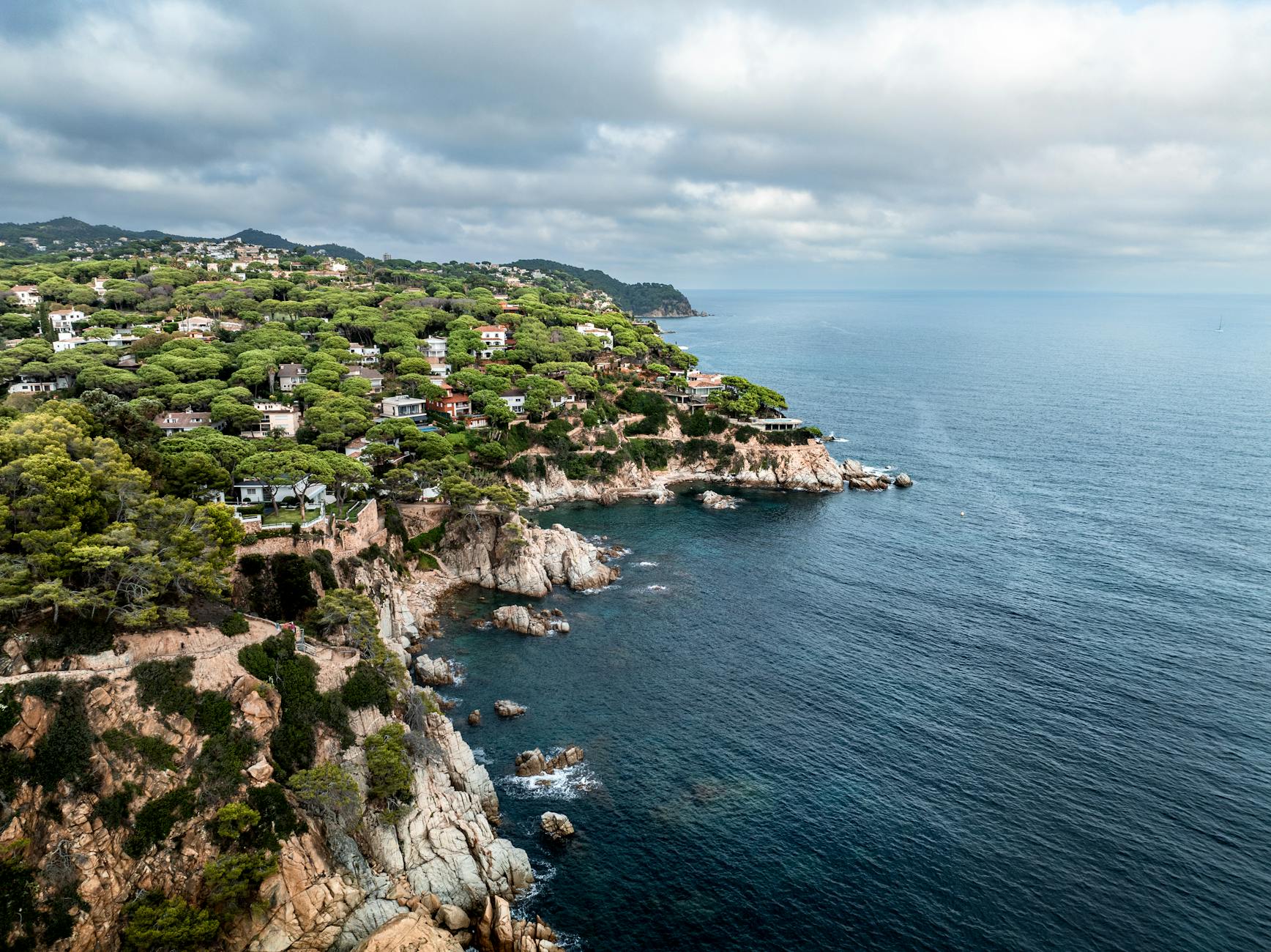
This is a lively Costa Brava town with golden beaches, a compact old quarter, modernist touches and a strong seaside dining scene. It suits beach lovers who want swim-and-sightsee days, couples seeking a romantic cliff-top garden and castle views, families looking for shallow sands and a water park, and travelers who want an easy weekend from Barcelona. Three days is ideal: one day to settle in and hit the main beach and promenade, a second to explore historic sites and gardens plus a cove or two, and a third for a relaxed day trip or to soak up final meals and sunsets.
Why Visit
A strong draw is the contrast between busy beachfront life and quieter, scenic coves. The town blends sunbathing, accessible hikes and a surprisingly refined garden (Santa Clotilde) with active nightlife and family-friendly attractions. It’s a good gateway for short Catalan coast day trips to historic towns, and it offers better value and shorter transfer times than some larger resorts. The mix of Mediterranean food, water activities and compact walkable neighborhoods makes it easy to cover highlights in a long weekend.
Quick Planning Tips
Arrive by bus from Barcelona Estació del Nord (about 1–1.5 hours) or use regional buses from Girona airport; the town has no train station. The beachfront and Fenals neighborhood are the most convenient bases for walkers. Carry euros; most places accept cards but small beach kiosks may be cash-only. English and Spanish are widely spoken; Catalan is common. Expect Mediterranean opening hours: late lunches and evening dining. Book summer hotels and Water World tickets in advance.

Day 1
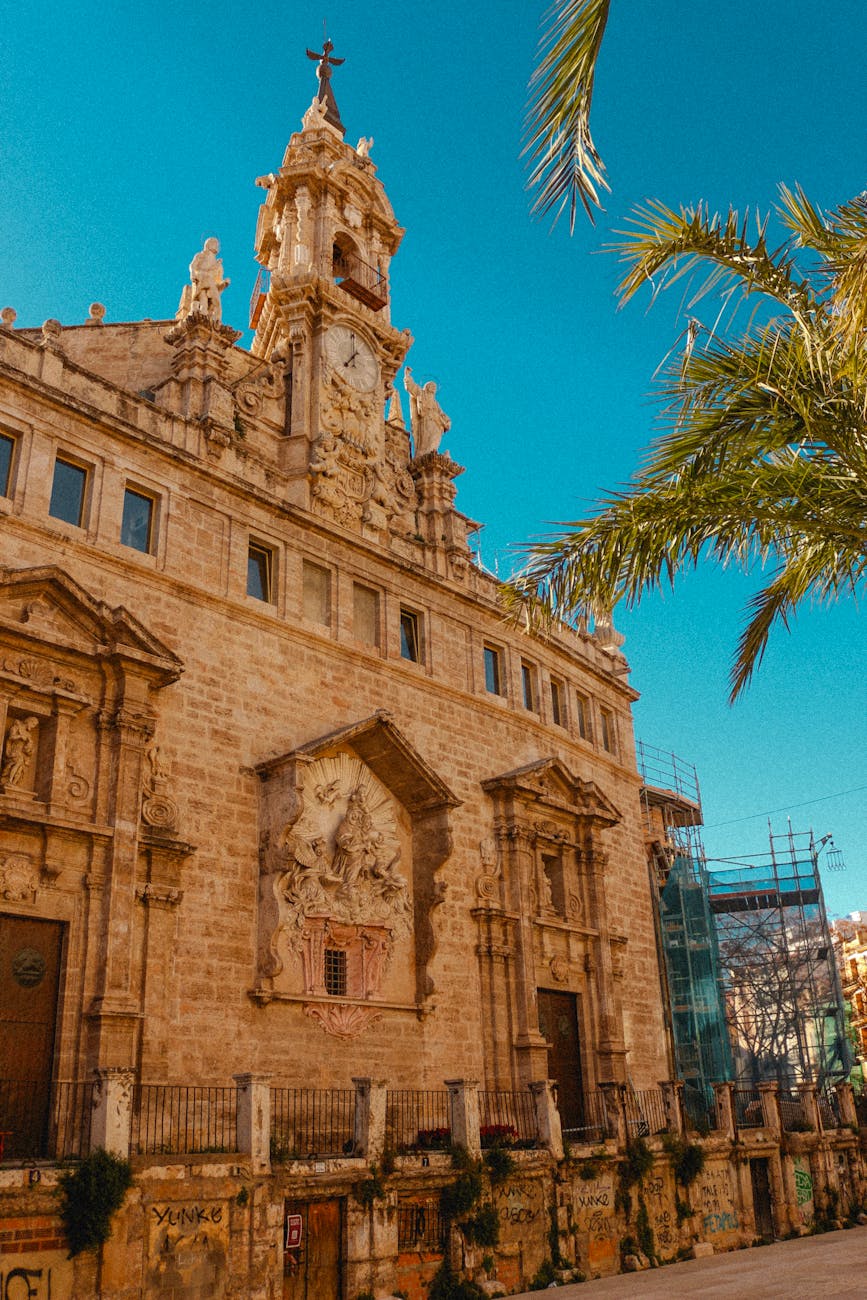
Morning: Start at the main beach for a swim and coffee on the promenade. Walk the seafront to the modernist Church of Sant Romà and snap photos of the colorful façade. Midday: Lunch on the seafront—fresh seafood or tapas are widely available. Afternoon: Visit the Museu del Mar to learn local maritime history, then relax on Platja de Fenals for a quieter late-afternoon swim. Evening: Stroll the seafront promenade and try a paella or grilled fish at a beachfront restaurant, then sample a few bars near the port.
Day 2
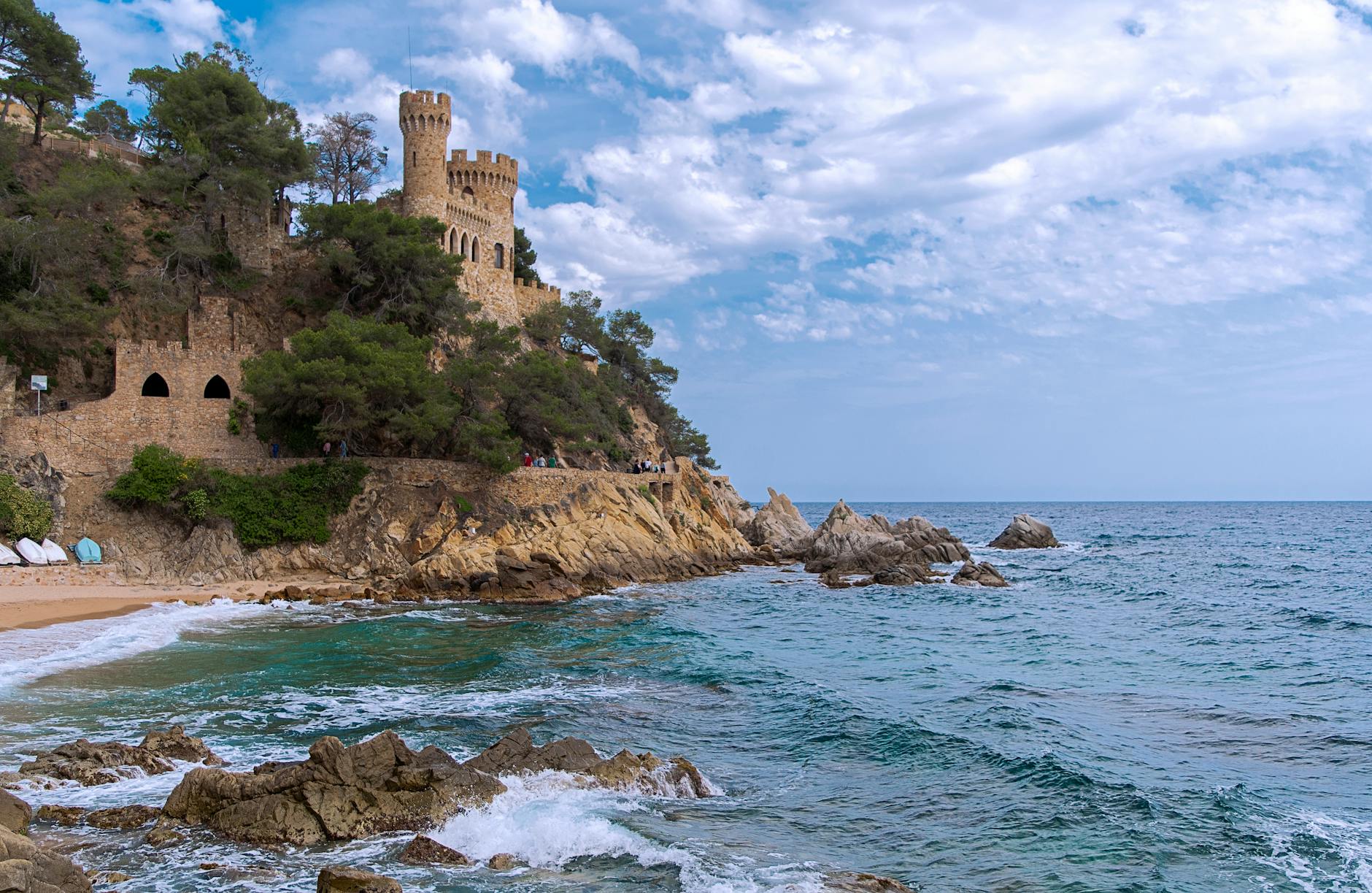
Morning: Hike or drive to Castell de Sant Joan for panoramic views over the coast; take water and sun protection. Midday: Picnic at the castle area or return to town for lunch. Afternoon: Spend a few hours in Jardins de Santa Clotilde — terraced Italian-style gardens on a cliff — then descend to Cala Sa Caleta for snorkeling or relaxing on a small cove. Late afternoon: Explore the old town’s narrow streets and shops. Evening: Dine in the old quarter, choosing Catalan classics or family-friendly menus.

Day 3
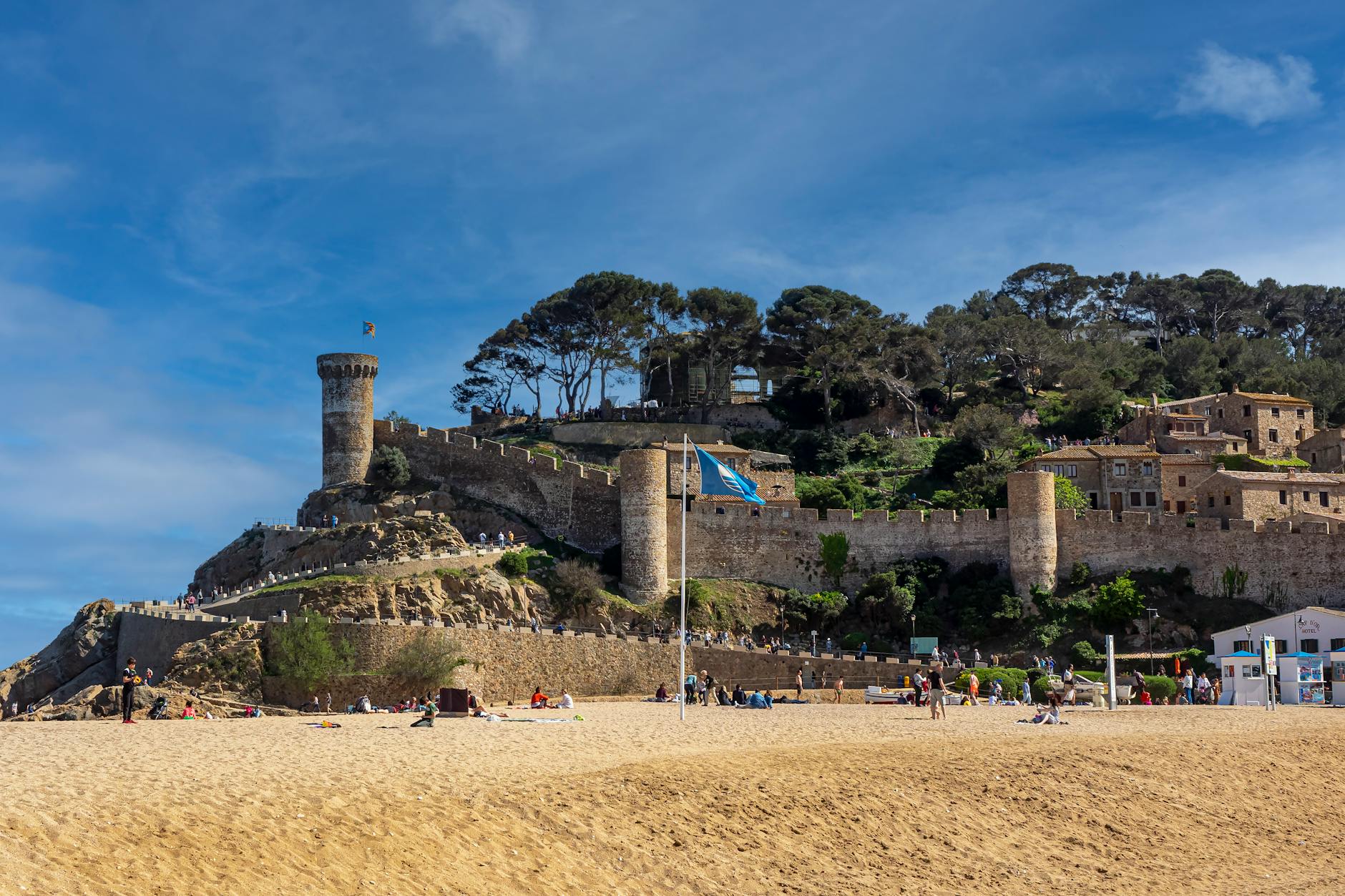
Option A – Day trip: Take a short bus or drive to Tossa de Mar or Calella for a historic coastal town and castle. Option B – Local leisure: Enjoy a relaxed morning at Cala Boadella or rent a paddleboard, then visit Water World for families. Midday: Sample market tapas or a beachside chiringuito. Afternoon: Last-minute shopping along the promenade and a sunset walk on the beach. Evening: Choose a farewell seafood dinner or tapas crawl before an easy nightcap near the marina.
Best Local Experiences
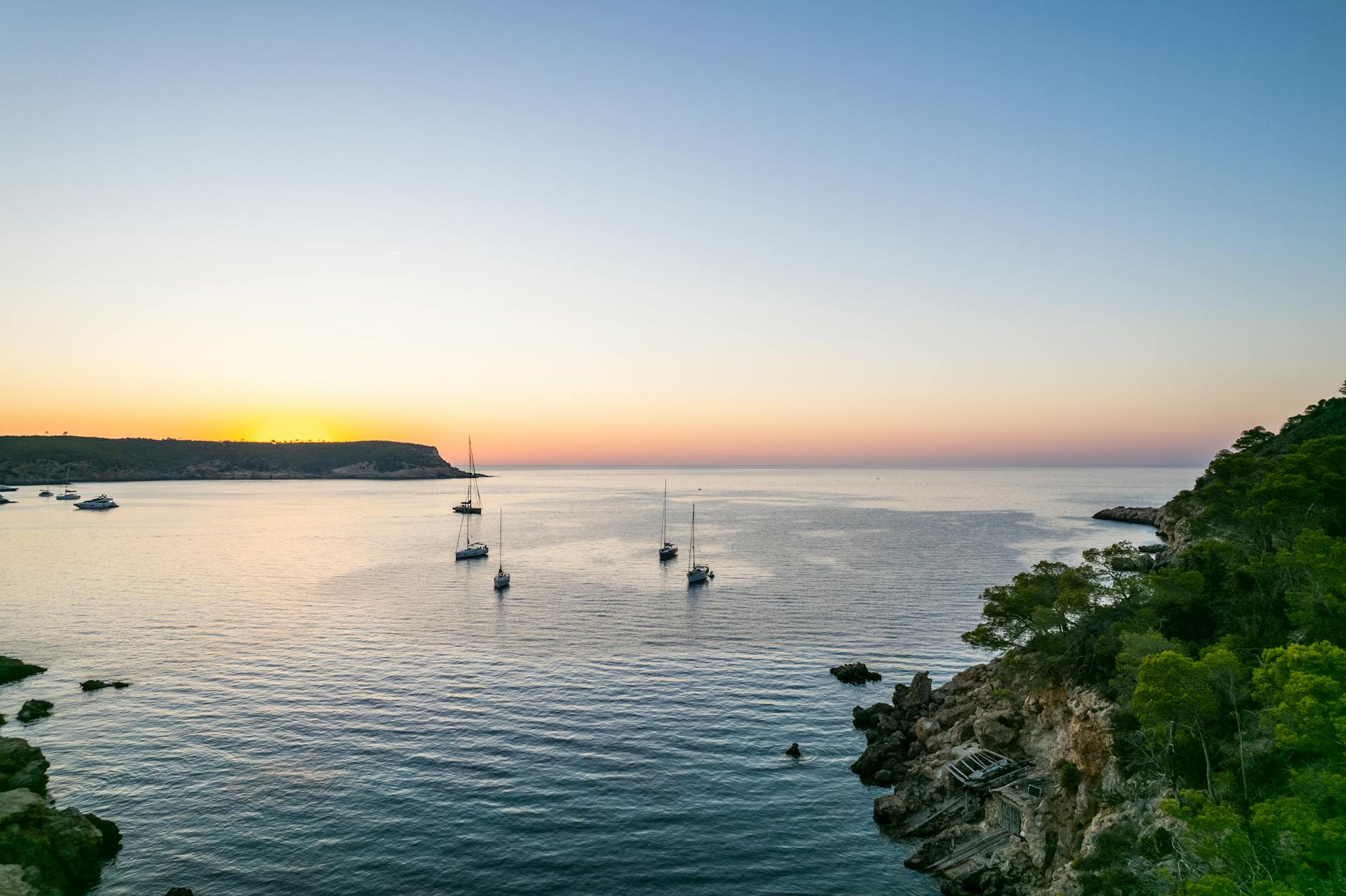
Swim at a mix of long beaches and hidden coves to appreciate different coastlines. Wander Santa Clotilde Gardens at golden hour for the best light. Hike to Castell de Sant Joan for panoramic photos that span the Costa Brava. Try fresh Mediterranean seafood and paella at a family-run restaurant instead of the busiest tourist spots. For families, spend a half-day at Water World. Consider an evening paseo along the promenade to taste local ice cream and watch the sunset.
Where to Stay
For easy beach access choose a hotel or apartment near the main promenade or Platja de Lloret. Fenals is quieter and better for families, with park-like surroundings and nearby restaurants. The old town is best for nightlife and walking to historic sights. If you prefer calm mornings and longer beach walks, look north toward Cala Boadella or select properties on the western hill for views. Book ahead in July–August; shoulder seasons offer good deals.
Food and Drink
Start days with café con leche and a pastry; try seaside chiringuitos for grilled fish and paella. Look for small tapas bars in the old town for vermouth and shared plates. Don’t miss local seafood like suquet (fish stew) and fideuà (noodle paella). For something casual, beach kiosks serve bocadillos and salads. Evening options range from family restaurants to lively cocktail bars near the marina; nightlife peaks late in summer. Reserve tables on weekends during high season.
Getting Around
The town is compact and walkable between the main beach, old town and marina. Local buses connect the beach neighborhoods, castle trailheads and Water World. Intercity buses link Barcelona, Girona and nearby coastal towns like Malgrat de Mar and Calella; there is no direct train station in town. Taxis and rental cars are easy to find, but parking can be tight in peak months. Bring comfortable shoes for pebble coves and cobbled streets.
Best Time to Visit
Late spring (May–June) and early autumn (September) offer warm sea temperatures, fewer crowds and lower prices. July and August are lively with full summer services, open attractions and nightlife but expect higher rates and crowded beaches. Winter visits are quiet with many seasonal businesses closed, though walks, garden visits and off-season rates appeal to slow-travelers.
Budget and Practical Tips
Use intercity buses to save on transfers from Barcelona or Girona airport. Choose self-catering apartments or guesthouses for budget stays, and eat where locals go—midday menus (menu del día) are good value. Tap water is drinkable but bottled water is common on beaches. Carry sunscreen and a small first-aid kit for cove visits. Tipping is appreciated but not obligatory; 5–10% for table service is fine. Book summer attractions and accommodation in advance.
FAQ
How do I get from Barcelona to Lloret de Mar?
Regular direct buses run from Barcelona Estació del Nord and take about 1 to 1.5 hours depending on traffic. Trains stop in nearby towns like Blanes or Calella, so combine train plus local bus if preferred.
Are the beaches safe for families?
Yes. Main beaches like Platja de Lloret and Platja de Fenals have lifeguards in summer, shallow areas and family facilities. Smaller coves may be rockier—supervise children around cliffs.
Can I visit historical sites in one day?
You can see the essential sites—Church of Sant Romà, Museu del Mar and Santa Clotilde Gardens—in a single full day if you plan transport and walking times carefully.
Is Lloret de Mar suitable for a romantic weekend?
Absolutely. Cliff-top gardens, sunset from the castle and quiet coves create romantic moments outside the busiest summer weeks.
What day trips are practical?
Tossa de Mar, Calella and Malgrat de Mar are short bus rides; Barcelona is reachable for a long day trip by early bus or guided transfer.
Is English widely spoken?
Yes in tourism areas; Spanish and Catalan are common, but staff at hotels, restaurants and shops often speak enough English for travelers.
Conclusion
Three days lets you balance beach time, a bit of history, scenic gardens and at least one optional day trip without rushing. Pick a base near the seafront or Fenals for easy walks, plan one early morning hike to the castle and leave time for relaxed meals and sunset views. With modest planning, a weekend here delivers classic Costa Brava character and memorable seaside moments.