
Responsible Travel in Rimini: Low-Impact, Local-First Tips for a 3-Day Visit
Practical, sustainable advice for visiting Rimini: where to stay, when to go, local etiquette, low-impact transport, and how to pair a 3-day itinerary with day trips to Riccione, Ravenna, Cesenatico and Cervia.
A compact, practical guide to visiting Rimini responsibly: choose shoulder-season timing, support family-run beachfronts and trattorie, use trains and bikes, and combine a 3-day plan with mindful day trips to nearby Adriatic towns.
Quick Answer
A compact, practical guide to visiting Rimini responsibly: choose shoulder-season timing, support family-run beachfronts and trattorie, use trains and bikes, and combine a 3-day plan with mindful day trips to nearby Adriatic towns.
Who This Page Is For
This page is for travelers planning a stay in Rimini who want clearer decisions about responsible travel, local logistics, timing, budgeting, and practical trip planning.
How This Page Was Prepared
This page was prepared through a structured editorial workflow that combines destination research, geographic context, and practical travel-planning review.
Plan the Rest of Your Trip
Use this page together with the full itinerary and the related planning pages below to make better booking, timing, transport, and budget decisions.
If you want a low-impact Rimini trip, visit in shoulder months (May–June or September–early October), base yourself in Centro Storico or Borgo San Giuliano rather than a large resort hotel, book a family-run bagni (beach club) that reinvests locally, and use trains or bike rentals for day trips to Riccione, Cesenatico, Cervia and Ravenna. For a full, timed plan, see the main 3 days in Rimini guide; use this page as the sustainability and logistics supplement.
Rimini is best known for its long Adriatic beaches, but the city’s character is also in its medieval core, painted fishing quarter, and Fellini-related heritage. This support page helps travelers who plan to follow our main 3 days in Rimini itinerary to make choices that favor local businesses, reduce environmental impact, and avoid peak-season stress. Practical, street-level tips here will help you book better, travel lighter, and enjoy more authentic encounters.
What This Page Helps You Decide
This page helps you choose:
- Where to stay for low-impact access to both beach and old town (Centro Storico, Borgo San Giuliano, Marina Centro smaller B&Bs).
- When to visit for quieter streets and less pressure on beach services (shoulder season recommendations and weekend notes).
- How to move around using trains, regional buses, bike paths and walking to keep car use minimal.
- Which types of local businesses to prioritize—family-run trattorie, cooperatives, and certified sustainable beach operators.
It also gives practical booking tips that pair directly with the main 3-day itinerary and suggests mindful day trips to nearby Adriatic towns.
Top Recommendations
Stay: Choose a small hotel or B&B in Centro Storico or Borgo San Giuliano to keep tourist dollars local and reduce transit needs. In summer, family-run guesthouses near Viale Vespucci offer access to sustainable beach operators.
Eat: Prioritize trattorie, pescherie that cook your catch, and market stalls. Look for Emilia-Romagna ingredients: piadina with locally produced salumi, small-batch cheeses, and Adriatic fish. Ask about sourcing—many small restaurants are happy to describe where food comes from.
Move: Use Rimini Centrale for regional trains to Ravenna and Cesenatico. Local START Romagna buses and the extensive seafront bike path are efficient for short hops. Reserve taxis sparingly for late-night returns.
Day trips: Use trains to visit Ravenna (mosaics), Riccione (modern seafront culture), Cesenatico (Canal Port), and Cervia (salt pans and thermal parks). Each is a short, low-carbon ride and pairs well with segments of the 3-day guide.
Book: Reserve beach umbrellas in high summer and book accommodation with clear cancellation and sustainability practices. For popular museums or the Fellini sites, prebook timed tickets in July–August.
Local Context
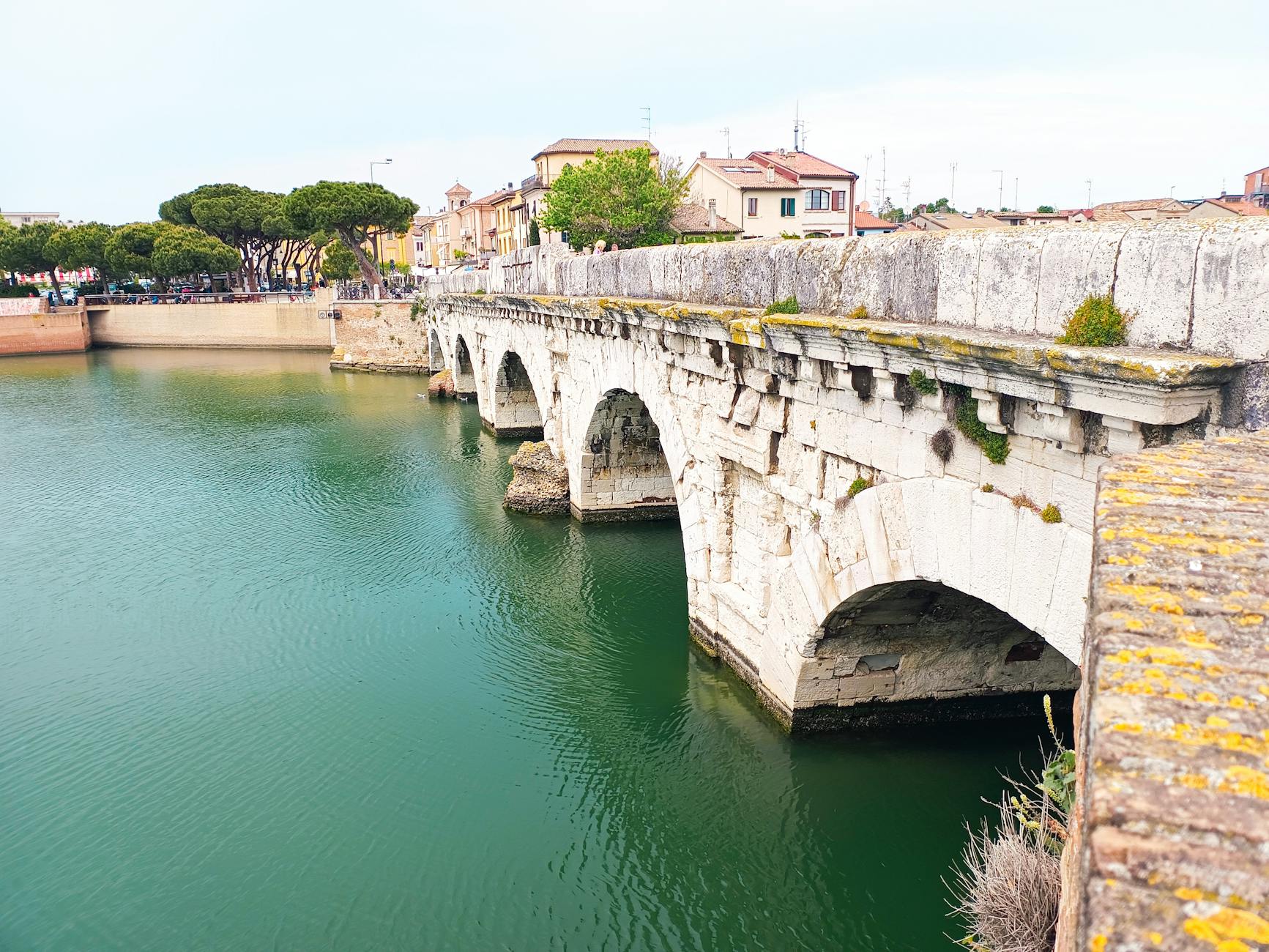
Rimini is in Emilia-Romagna on Italy’s northeastern Adriatic coast. Tourism peaks in July–August when daytrippers and families fill licensed beach clubs (bagni) along Viale Vespucci. Shoulder months bring cooler water but quieter streets and more availability in local businesses. The historic center—Piazza Cavour, Piazza Tre Martiri, Tempio Malatestiano, Castel Sismondo—has narrow streets where pedestrians and cyclists do best.
Neighborhood notes:
- Borgo San Giuliano: former fishing quarter with colorful murals, small restaurants, and a walkable layout.
- Marina Centro and Viale Vespucci: the primary seafront for licensed beaches and long promenades; choose smaller operators over large chains when possible.
- Centro Storico: best for museums, markets, and public transport links.
- Miramare: near the airport and convenient for early flights.
Transport realities:
- Federico Fellini International Airport (RMI) is small and close to Miramare; buses and taxis connect to the central station.
- Rimini Centrale is on the Bologna–Rimini–Ravenna corridor with frequent regional trains—ideal for low-impact day trips.
- Bike rental is common along the seafront; many hotels partner with local bike shops.
Local etiquette:
- Dress and behave respectfully in churches and sacred sites.
- Keep noise down in residential zones after 10pm and respect local quiet hours.
- On beaches, follow signage for private bagni vs public stretches and avoid leaving waste or single-use plastics.
How to Choose Well
Accommodation:
- Prefer small B&Bs, guesthouses, or family-run hotels that employ locals and source locally.
- Check property descriptions for energy measures, recycling, and local partnerships.
Beach operator (bagno) choices:
- Pick bagni with clear recycling policies and local staff. Ask whether revenue supports local fishing families or community projects.
- If you prefer low-impact beach time, use public beach stretches away from commercial clusters in shoulder months.
Eating and shopping:
- Eat at places where staff can tell you where ingredients come from. Favor menus with seasonal produce.
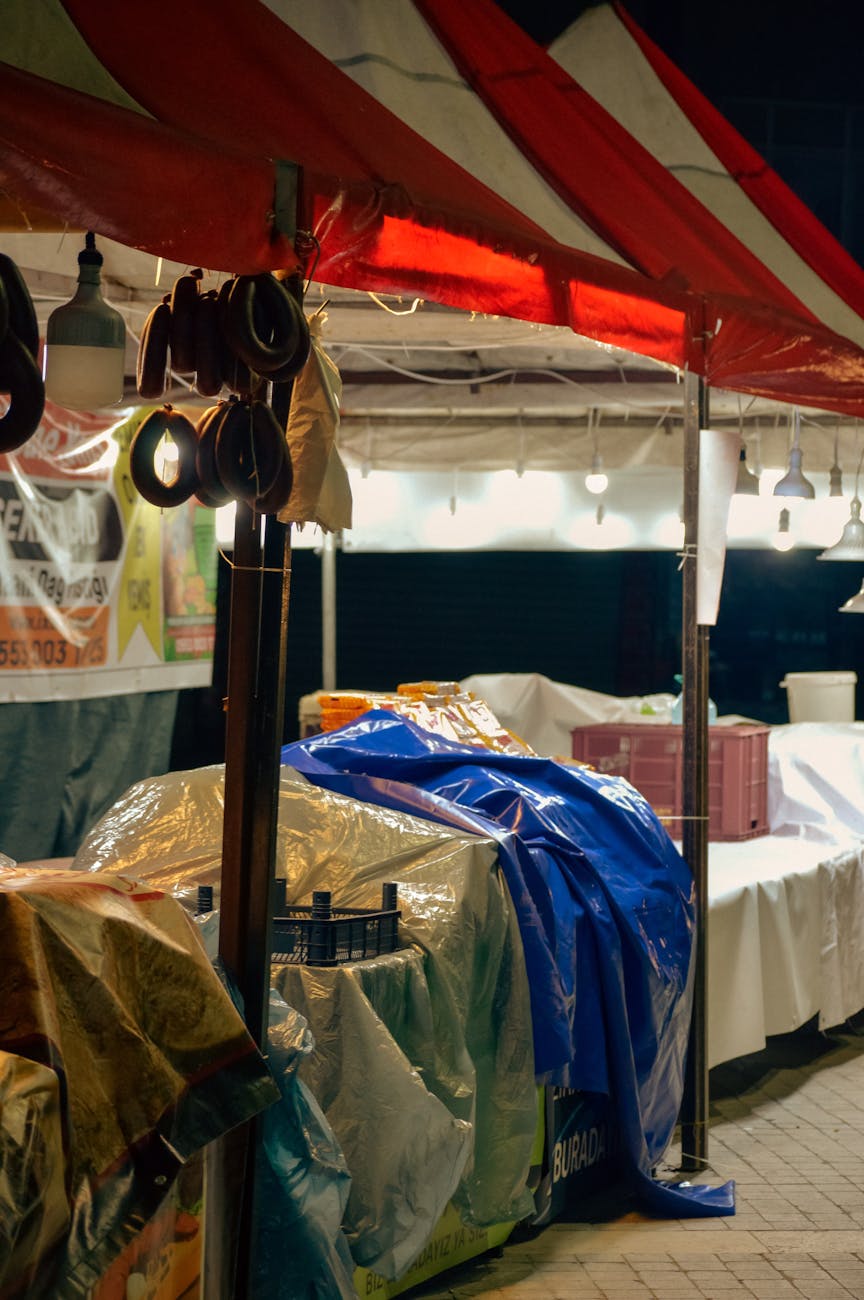
- Buy from the local market (visit the covered market near the station or neighborhood markets) to support small vendors.
Transport and tours:
- Use regional trains for day trips to Ravenna, Cesenatico, Cervia and Riccione rather than organized bus tours.
- For coastal exploration, pick guided walking tours led by local guides or accredited cooperative guides.
Booking tips:
- Book refundable options if your travel dates fall in shoulder months with changing weather.
- For summer travel, reserve beach services and museum entries in advance to reduce last-minute pressure on operators.
Responsible and Local-First Tips
Spend intentionally:
- Choose restaurants with local suppliers and buy directly from markets and artisan shops.
- Prefer tour operators and experiences run by cooperatives or local guides.
Lower impact choices:
- Travel by train from Bologna or Milan; take the regional train to Ravenna and Riccione for day trips.
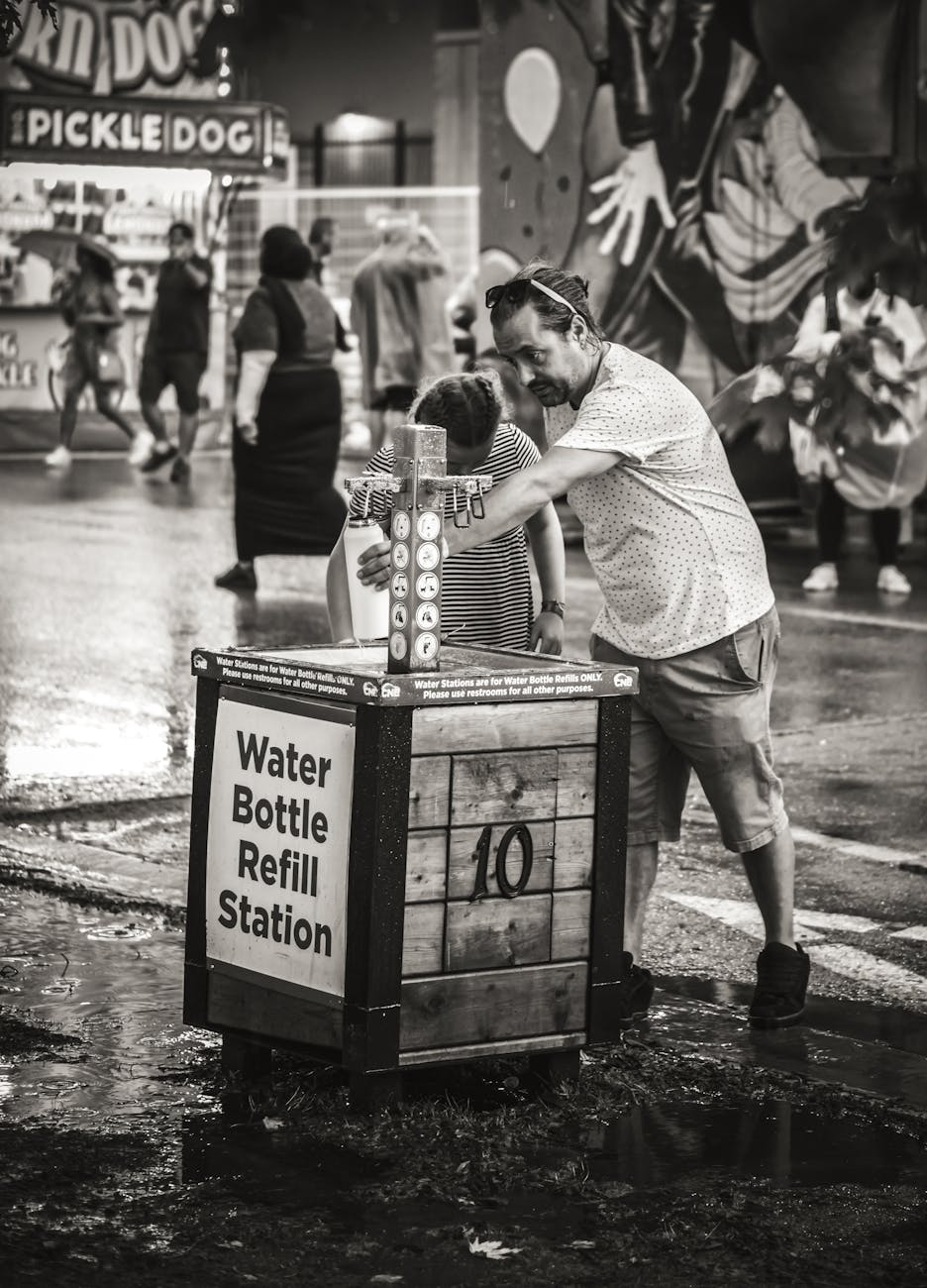
- Walk or rent a bike for seafront and city-center exploration. Bring a refillable bottle—public water fountains are common.
Respect the coast:
- Use beach bins, avoid smoking on sand where banned, and never remove sand or marine life.
- If you visit the salt pans near Cervia, join certified tours to protect habitats.
Seasonal and community benefits:
- Visit in shoulder season to help smaller businesses stay open longer and spread visitor impact.
- Tip appropriately and engage with vendors about their craft and sourcing—this creates meaningful economic exchange.
Common Mistakes to Avoid
Avoid these frequent errors:
- Booking a large beachfront resort without checking whether profits benefit the wider local economy.
- Assuming all beaches are public—some stretches are private bagni and require payment; respect their rules.
- Relying on taxis for day trips that are available by train or bus—this increases cost and carbon footprint.
- Visiting only in peak August weeks when prices, crowds and environmental stress are highest.
Practical traps:
- Waiting until arrival to reserve bagni in July–August; book in advance if a specific spot matters.
- Overplanning every hour. Leave time for markets, a long lunch, and spontaneous local recommendations—this benefits neighborhood businesses.
FAQ
When is the best time to visit Rimini for lower impact and pleasant weather?
Shoulder seasons—May to mid-June and September to early October—combine milder weather, fewer crowds, lower prices, and better chances to find locally run businesses open.
How do I reach Ravenna, Riccione, Cesenatico or Cervia from Rimini sustainably?
Regional trains run frequently to Ravenna and Riccione; Cesenatico and Cervia are short regional or local-bus rides. Use Rimini Centrale as your hub and check regional timetables for return services.
Are the beaches private or public, and how should I choose a bagno?
Beaches alternate between managed bagni (private with services) and free public stretches. Choose a bagno that demonstrates local employment, clear recycling, and transparent pricing; for a lower-cost option, use public stretches early in the day.
Is Rimini safe to walk around at night?
Central neighborhoods are generally safe but keep the usual precautions: stay in well-lit areas, use official taxis for late returns, and avoid deserted streets after late-night hours. Respect quiet hours in residential districts.
How can I support local culture while avoiding tourist traps?
Eat at family-run restaurants, shop at markets, hire local guides for walking tours, and avoid chain restaurants and souvenir stalls concentrated on the main promenade. Read our 3 days in Rimini itinerary for curated recommendations.
Do I need to rent a car for day trips?
No. Trains and buses cover nearby towns well. A car is useful only if you plan to explore rural hinterlands off public transport routes.
Conclusion
Rimini rewards travelers who slow down, choose local businesses, and travel with an eye to impact. Use this page alongside the main 3 days in Rimini guide to plan where you sleep, eat, and spend so day trips to Ravenna, Riccione, Cesenatico and Cervia strengthen the regional economy rather than just move visitors around. Thoughtful timing, public transport, and support for family-run establishments make your Rimini visit more authentic and more sustainable.
How this guide was prepared
This guide was prepared through a structured research that combines destination research, geographic context, itinerary planning logic, and content review.