
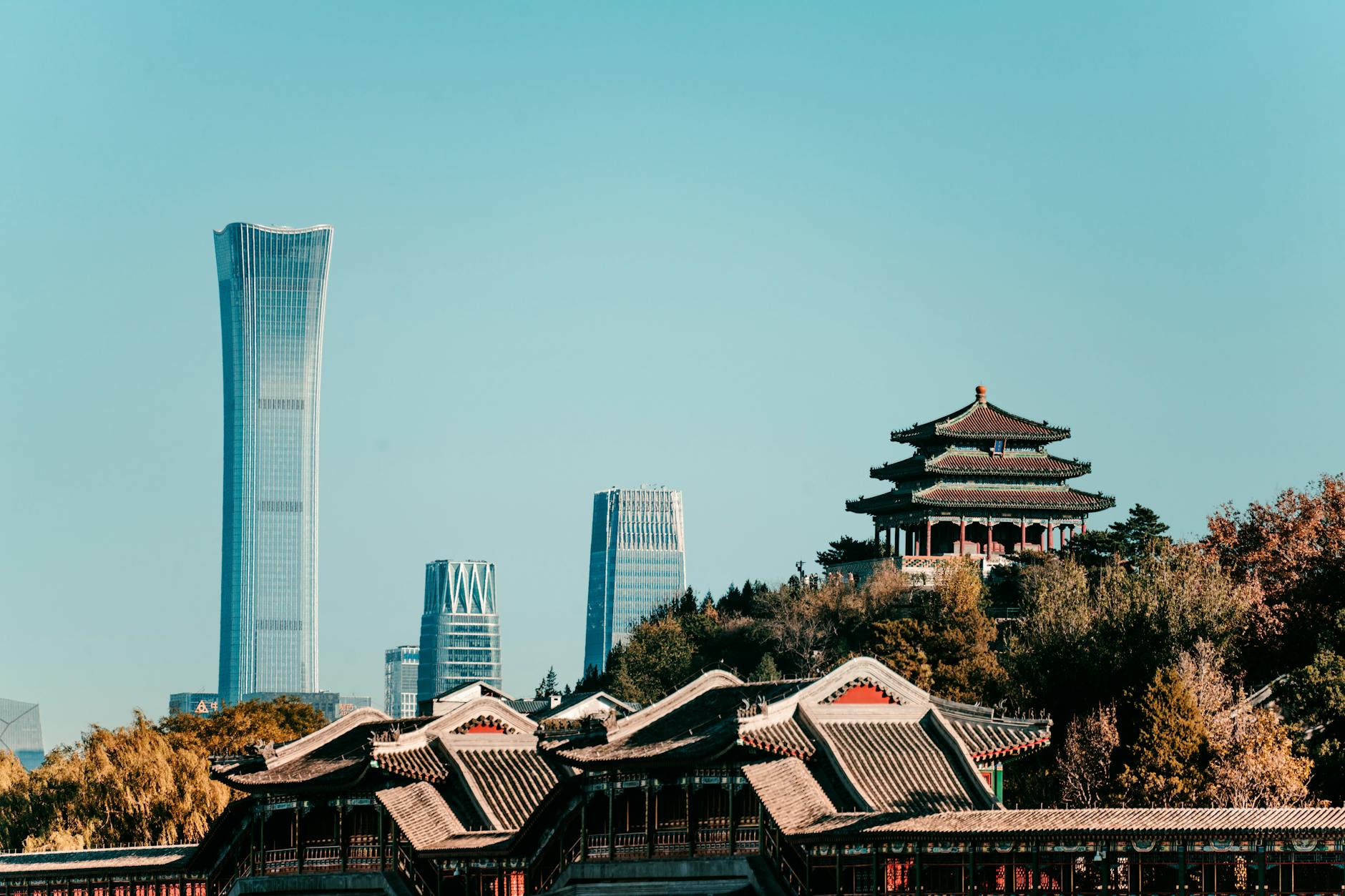
Getting Around Beijing: Practical, Sustainable Ways to Move During a 3-Day Visit
How to navigate Beijing efficiently and responsibly. Practical advice on the subway, buses, bike share, taxis, airports, and day trips to Tianjin, Qingdao and other nearby cities — tailored to a 3-day itinerary.
Clear, local-first guidance for getting between Beijing neighborhoods, attractions (Forbidden City, Hutongs, Summer Palace), airports and nearby cities. Focus on sustainable choices, seasonal tips, and time-saving advice to support a 3-day itinerary.
Quick Answer
Clear, local-first guidance for getting between Beijing neighborhoods, attractions (Forbidden City, Hutongs, Summer Palace), airports and nearby cities. Focus on sustainable choices, seasonal tips, and time-saving advice to support a 3-day itinerary.
Who This Page Is For
This page is for travelers planning a stay in Beijing who want clearer decisions about getting around, local logistics, timing, budgeting, and practical trip planning.
How This Page Was Prepared
This page was prepared through a structured editorial workflow that combines destination research, geographic context, and practical travel-planning review.
Plan the Rest of Your Trip
Use this page together with the full itinerary and the related planning pages below to make better booking, timing, transport, and budget decisions.
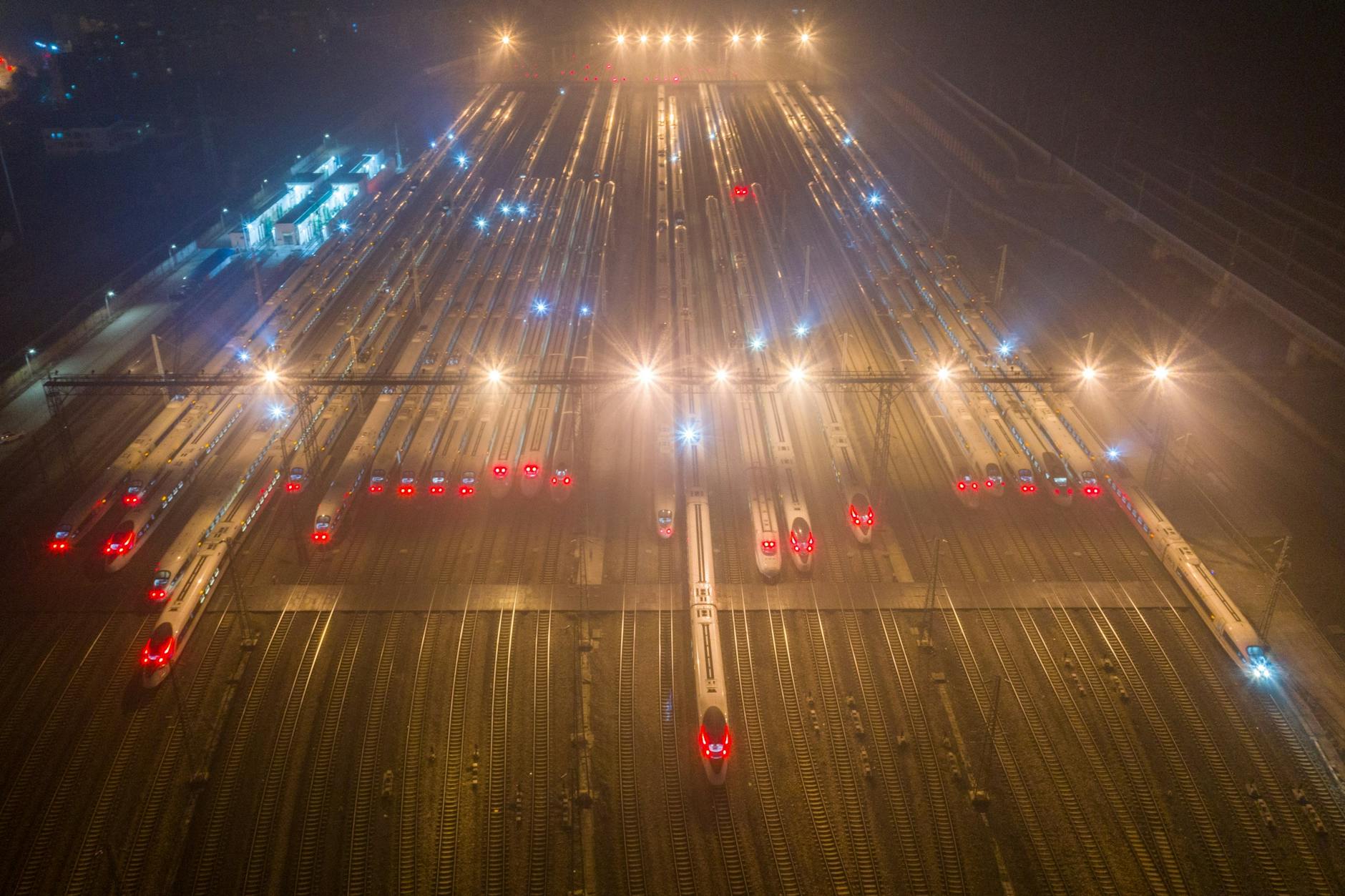
For most short stays the subway + walking is the best balance of speed, cost and low impact. Use a Yikatong (transport card) or mobile payment, take bikes for short last-mile hops, and reserve taxis or Didi for early-morning/late-night airport transfers or heavy luggage. For day trips to nearby cities (Tianjin, Qingdao, Jinan, Taiyuan, Dalian) high-speed trains from Beijing South or Beijing West are fast and convenient — book in advance during holidays.
This page gives focused, practical advice to help you move efficiently and responsibly around Beijing while supporting local businesses. It’s intended as a companion to the main 3 days in Beijing guide — use that itinerary for where to go and this page for how to get between the sites. Recommendations assume short stays, modest luggage, and an interest in low-impact options like public transit, walking, and bike share.
What This Page Helps You Decide
Use this page to choose between:
- Where to base yourself (Dongcheng/Xicheng for walkable historic core, Chaoyang for nightlife/business, Haidian for university vibe).
- Whether to rely primarily on the subway or budget for taxis/Didi.
- How to plan airport transfers to Beijing Capital (PEK) and Daxing (PKX).
- Which transport options work best for a day trip to Tianjin, Qingdao, Jinan, Taiyuan or Dalian.
- Sustainable, low-impact choices for short hops (bike share, walking) and how to support small local vendors along the way.
Top Recommendations
Keep these practical rules front of mind:
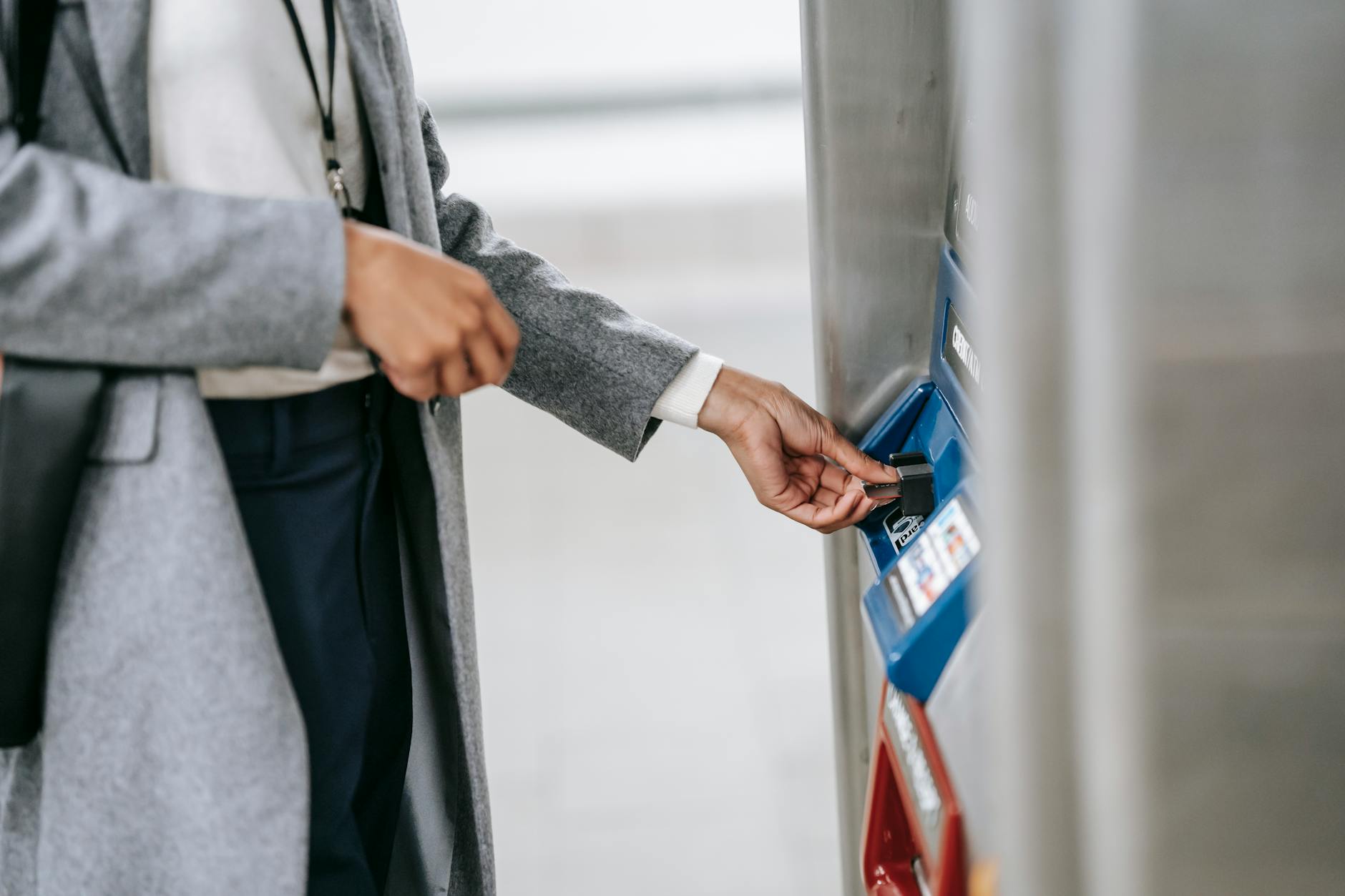
- Carry a Yikatong transport card or set up a transit-enabled mobile wallet for easy subway/bus access and small local purchases.
- Prioritize the subway for central-to-central transfers — it’s usually faster than cabs in rush hour. Expect heavy crowds during weekday morning (7:30–9:30) and evening (17:00–19:30) peaks.
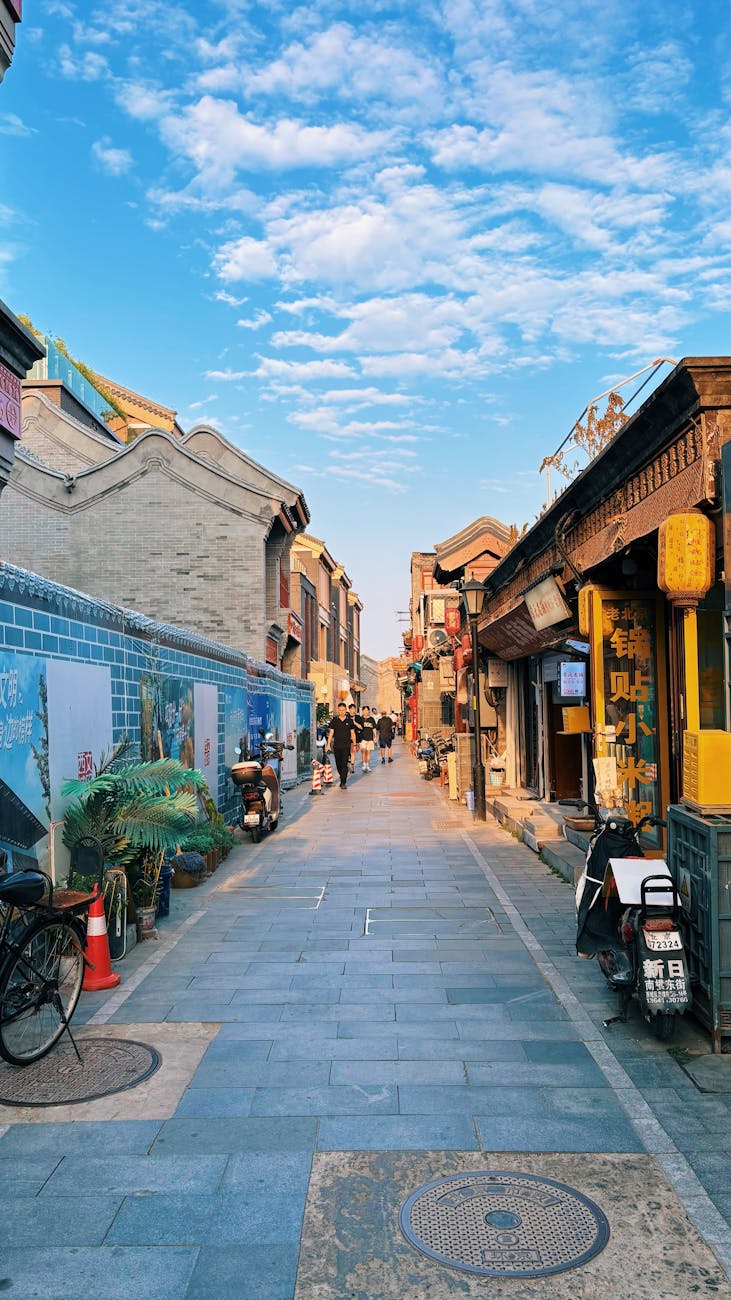
- Walk within Dongcheng and Xicheng: many attractions — Forbidden City, Temple of Heaven, Hutongs — are close together and walking sustains local small businesses.
- Use bike share for short connections under 3 km; pick official dockless brands that display clear pricing and helmet options.
- For airport transfers, pre-book official airport shuttle buses or a Didi Premier/authorized taxi if traveling with lots of luggage; allow 60–90 minutes to Capital (PEK) and 60–120 minutes to Daxing (PKX) depending on traffic.
- Book high-speed train tickets in advance for day trips to Tianjin, Qingdao or Jinan; trains depart from Beijing South or Beijing West depending on the route.
Local Context
Neighborhoods and rhythms matter:
- Dongcheng and Xicheng: historic heart, best for first-time visitors and walking tours; crowded around major sights.
- Chaoyang: expat hubs, embassy and nightlife areas (Sanlitun); longer distances between attractions.
- Haidian: university campuses, tech parks and busier morning commuter flows.
- Beijing’s seasons influence transport: winter has worse air quality and can slow surface traffic; summer brings heavy rains/flooded streets after thunderstorms. Shoulder seasons (late spring, early autumn) are often the most comfortable for walking.
Transport realities: the subway is vast and efficient but stations can have long corridors and multiple exits — allow extra time for transfers. Many central streets are pedestrian-only or restricted, so taxis may need to drop you a block away. Mobile payment and e-tickets are ubiquitous; foreign cards have limited acceptance for small merchants.
How to Choose Well
Match the mode to your priorities: cost, speed, comfort, and sustainability.
- If speed and predictability matter: subway + short taxi for first/last mile.
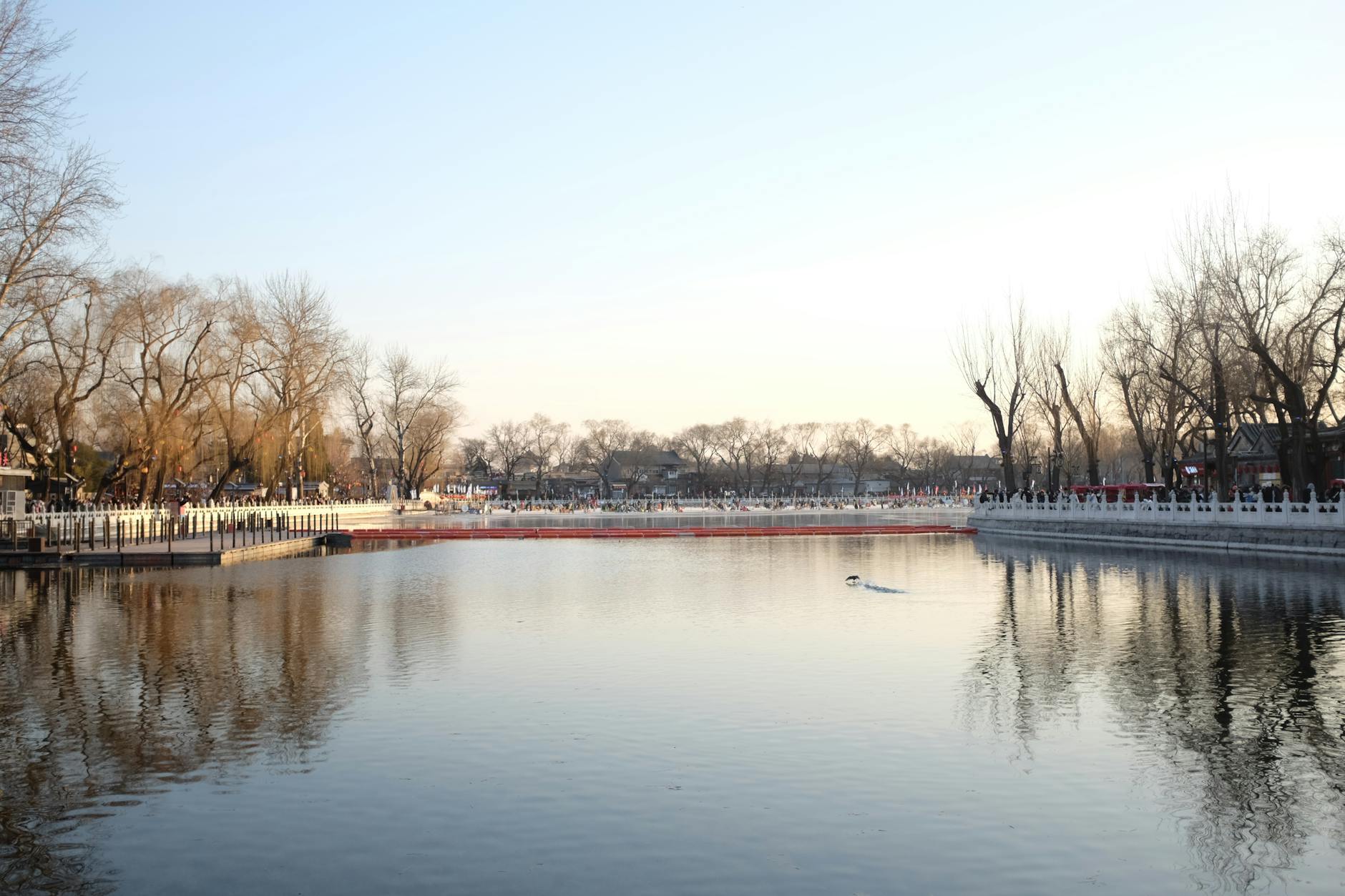
- If low impact and local engagement matter: walk neighborhood blocks, stop at small tea houses and markets, use bike share.
- If luggage or schedule is tight: pre-book a licensed airport taxi or a Didi with XL capacity.
Booking and practical tips:
– Reserve high-speed train tickets via the official China Railway site or trusted agents and collect with your passport at the station.
– Download an offline subway map and note exit numbers for attractions (exit choice can save 5–10 minutes).
– Get a local SIM or eSIM to use Didi, maps and payment apps smoothly.
– Keep a photocopy of your passport/visa; train and airport checkpoints often require ID.
Responsible and Local-First Tips
Make travel choices that benefit local communities and reduce impact:
- Use public transit and bike share rather than private tours when possible.
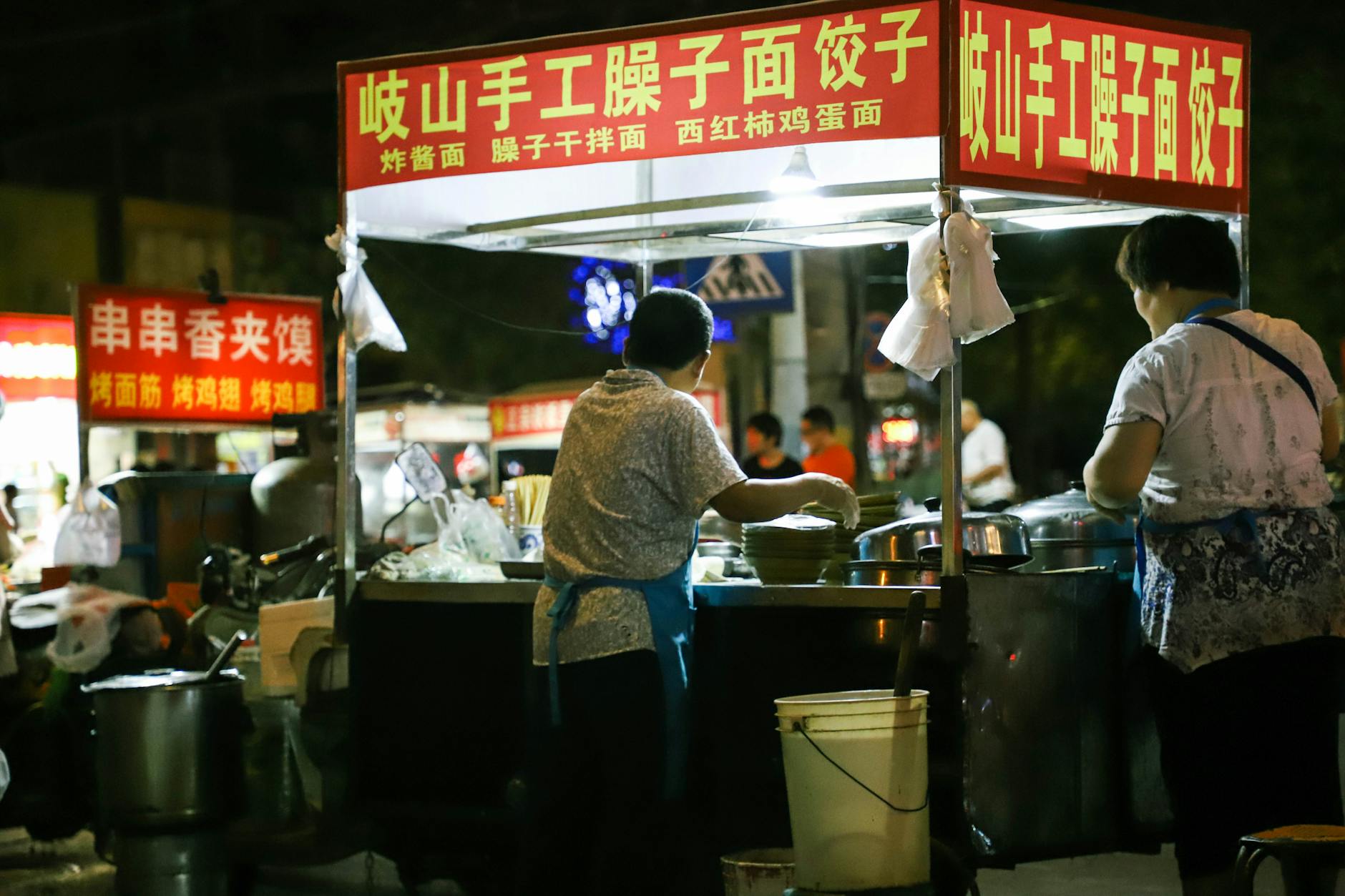
- Spend at neighborhood markets (Wangfujing food stalls, local tea shops in Hutongs) rather than large chain restaurants.
- Choose small, licensed guide services for walking tours in Dongcheng/Hutongs — look for guides who explain local history and use small groups.
- Avoid buying items made from endangered species or illegal souvenirs.
- Time visits to popular spots early morning or late afternoon to reduce pressure on resources and enjoy cooler conditions.
- Bring a reusable water bottle; Beijing has filtered water refill stations in some public spaces and hotels.
Common Mistakes to Avoid
Watch out for these frequent errors:
- Underestimating transfer times: stations like Beijing South and Daxing Airport are large; allow buffer time.
- Assuming taxis are always faster: during rush hour the subway often wins.
- Relying only on international credit cards: many small vendors accept only Alipay/WeChat or UnionPay; carry some cash or set up a tourist-friendly mobile payment option.
- Not carrying ID: you’ll need your passport for train tickets and some checkpoints.
- Waiting too long to book high-speed trains or Great Wall shuttle buses during holiday periods (National Day, Chinese New Year).
- Taking unauthorized drivers at airports — use official taxi ranks or pre-booked services for transparent pricing.
FAQ
What is the easiest way to pay for public transit in Beijing?
Get a Yikatong (Beijing transport card) at subway stations or some convenience stores; it works on subways and buses and reduces boarding time. Many visitors also link a foreign bank card to mobile wallets or use cash for occasional bus rides.
How late does the subway run?
Most lines run roughly from 05:00–23:00. Exact times vary by line and station, and some suburban branches close earlier. Check the line map for first/last train times, especially when traveling to airports or outlying stations.
Which airport should I fly into, Capital (PEK) or Daxing (PKX)?
Use Capital (PEK) for older inbound international flights and more airline options; Daxing (PKX) serves many newer routes and can be closer to southern suburbs. Consider your hotel location, traffic at the time of day, and whether a direct airport express or pre-booked transfer is available.
Can I take a day trip to Tianjin or Qingdao from Beijing?
Yes. Tianjin is a 30–40 minute high-speed train from Beijing South; Qingdao and Jinan are 2–4 hours by high-speed train. Book tickets in advance during holiday periods and return the same day only if you don’t mind early starts and late returns.
Is cycling safe in Beijing?
Short hops on bike share are practical in many neighborhoods with dedicated lanes. Avoid main arteries during rush hour and watch for scooters. Prefer official bikes from major providers and park them in designated areas to respect local rules.
Any etiquette tips for public transit?
Queue at marked spots, offer seats to older passengers, keep phone conversations quiet, and avoid eating on the subway. Tipping is not expected for taxis or local services.
Conclusion
For a 3-day visit prioritize the subway, walking, and short bike rides to keep travel efficient and low-impact. Use the 3 days in Beijing itinerary for sequencing attractions and return to this page to plan logistics, airport transfers and day trips to Tianjin, Qingdao, Jinan, Taiyuan or Dalian. Small choices — choosing public transit, eating at neighborhood vendors, booking local guides — add up to a more authentic, sustainable visit.
How this guide was prepared
This guide was prepared through a structured research that combines destination research, geographic context, itinerary planning logic, and content review.